Earthworms & Nightcrawlers (Lumbricus terrestris): The Complete Feeder Profile
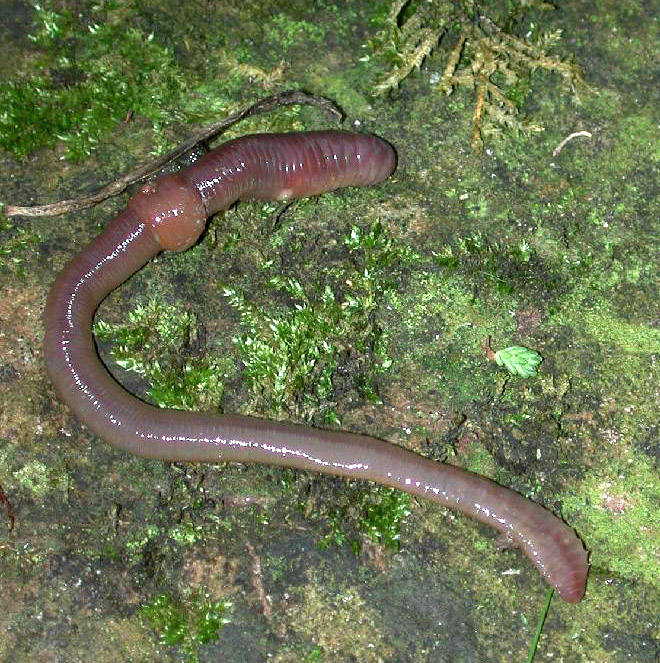
A comprehensive profile of earthworms and nightcrawlers as feeder organisms — covering nutrition, benefits for amphibians, sourcing guidelines, and safety considerations.
Everything about feeder insects and livefood for reptiles, amphibians, and invertebrates
A comprehensive profile of earthworms and nightcrawlers as feeder organisms — covering nutrition, benefits for amphibians, sourcing guidelines, and safety considerations.
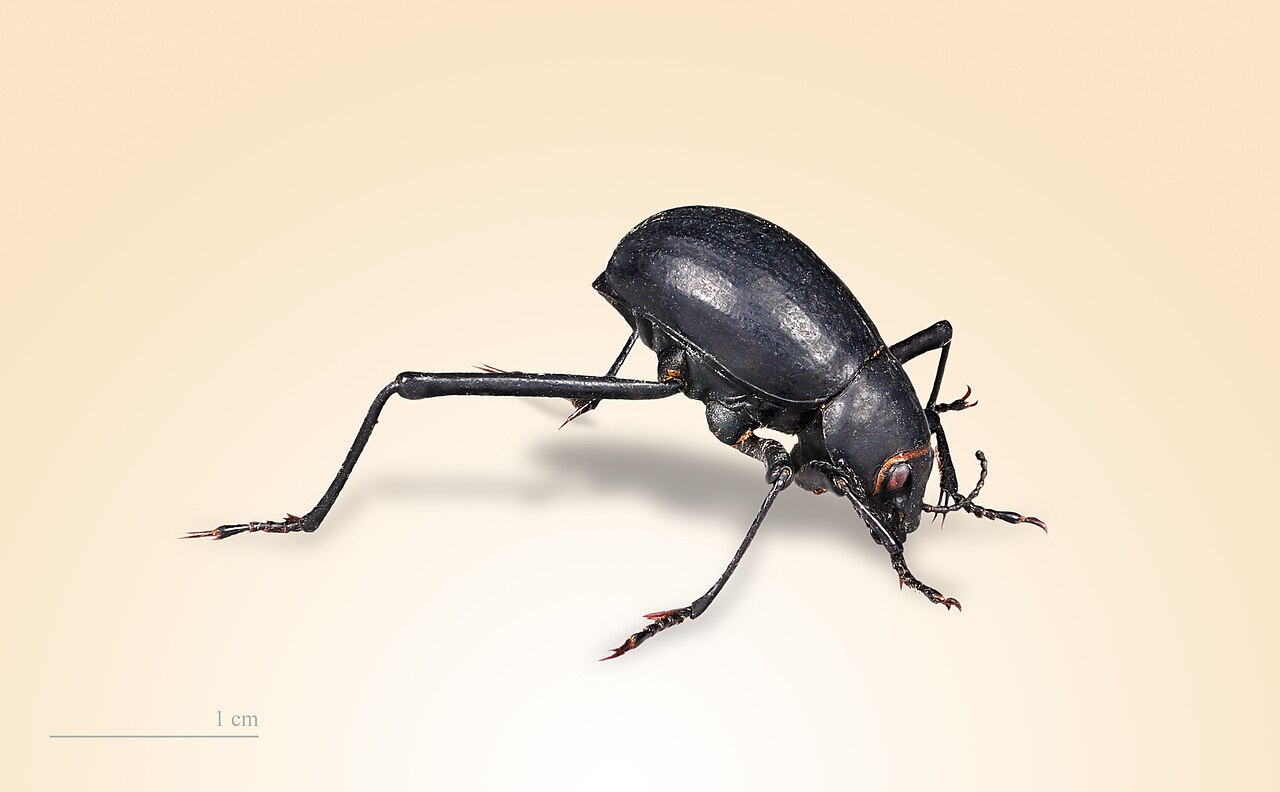
A comprehensive profile of superworms (Zophobas morio) — covering nutrition, comparison to mealworms, appropriate use as a treat feeder, and storage guidelines.
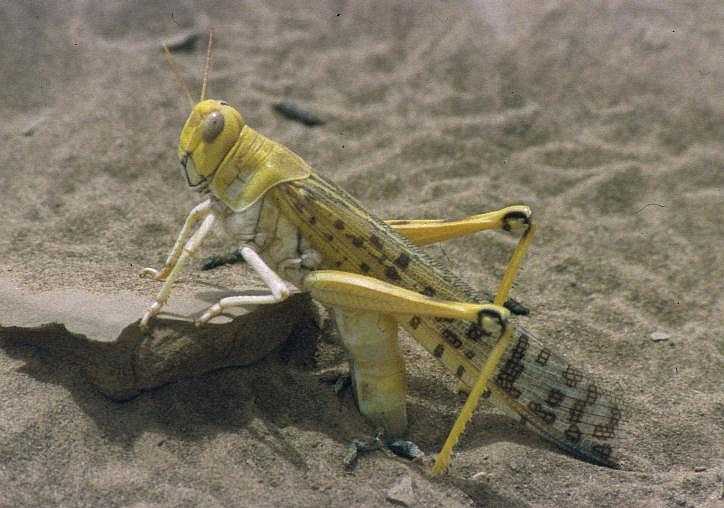
A comprehensive profile of locusts (Schistocerca gregaria) as feeder insects — covering nutrition, activity level, benefits for stimulating natural hunting behaviour, and care.
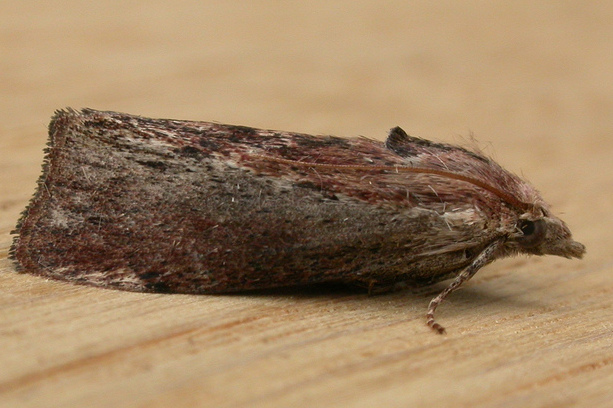
A comprehensive profile of waxworms (Galleria mellonella) — the high-fat treat feeder loved by reptiles but best used sparingly in a balanced livefood rotation.
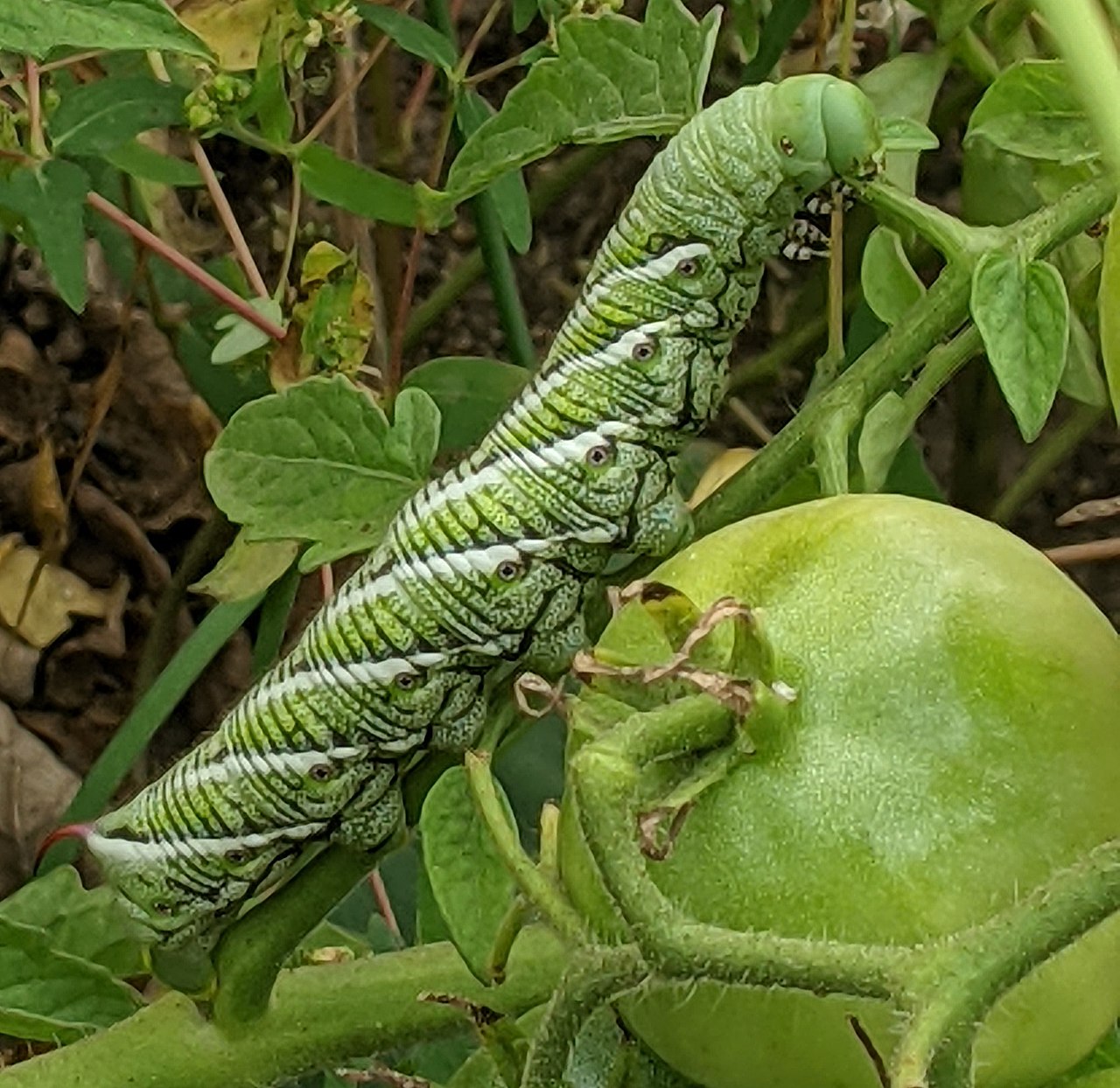
A comprehensive profile of hornworms (Manduca sexta) as feeder insects — covering their exceptional hydration value, nutritional profile, fast growth, and best uses in reptile and amphibian care.
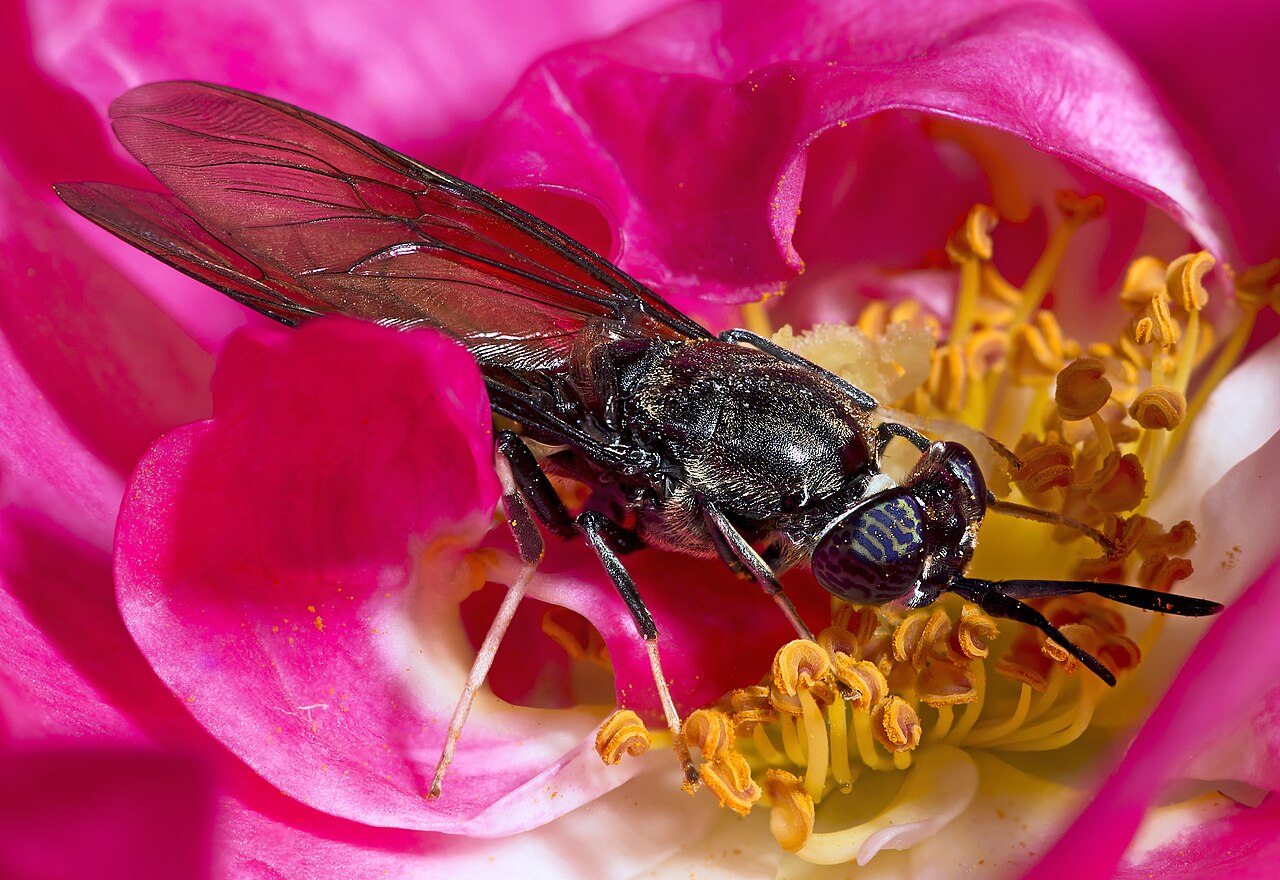
A comprehensive profile of black soldier fly larvae (Hermetia illucens), also known as calciworms or nutrigrubs — covering their exceptional calcium content, nutritional profile, and role as a premium feeder.
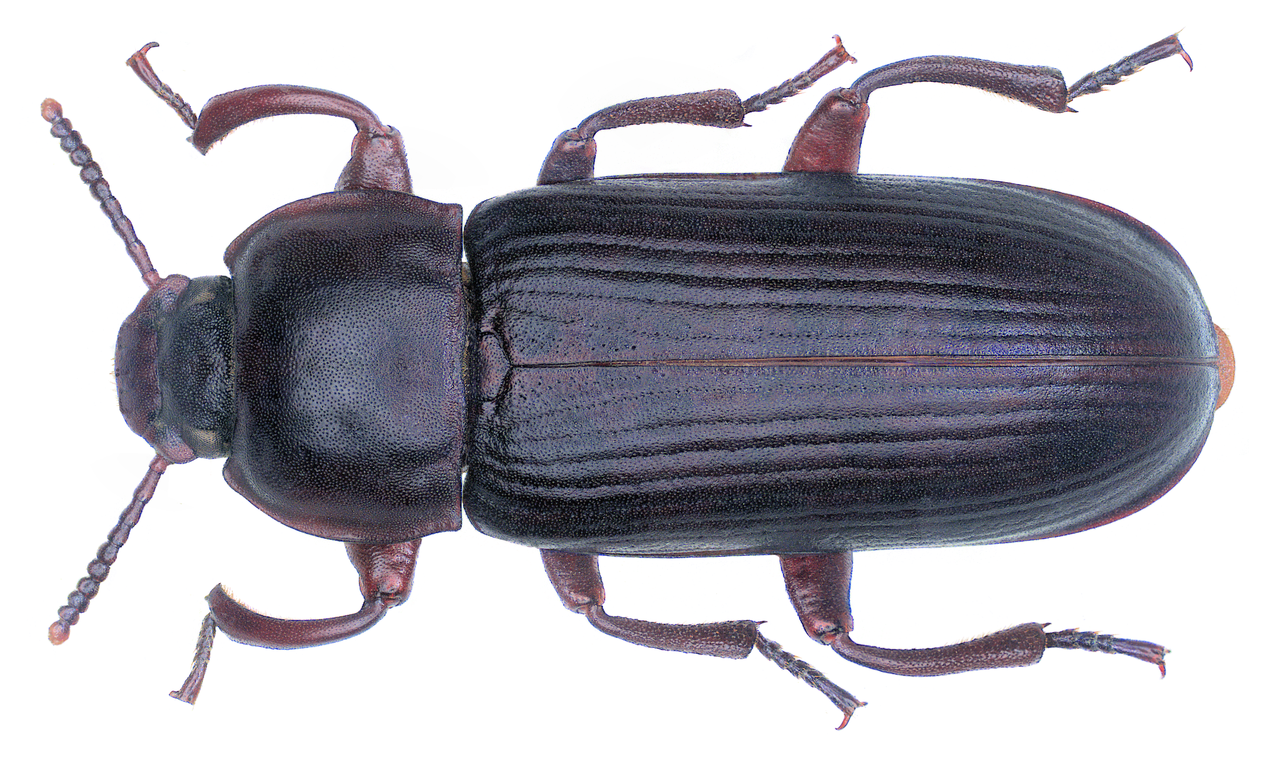
A comprehensive profile of mealworms (Tenebrio molitor) as feeder insects — covering nutrition, chitin concerns, appropriate use, storage, and honest assessment of their limitations.
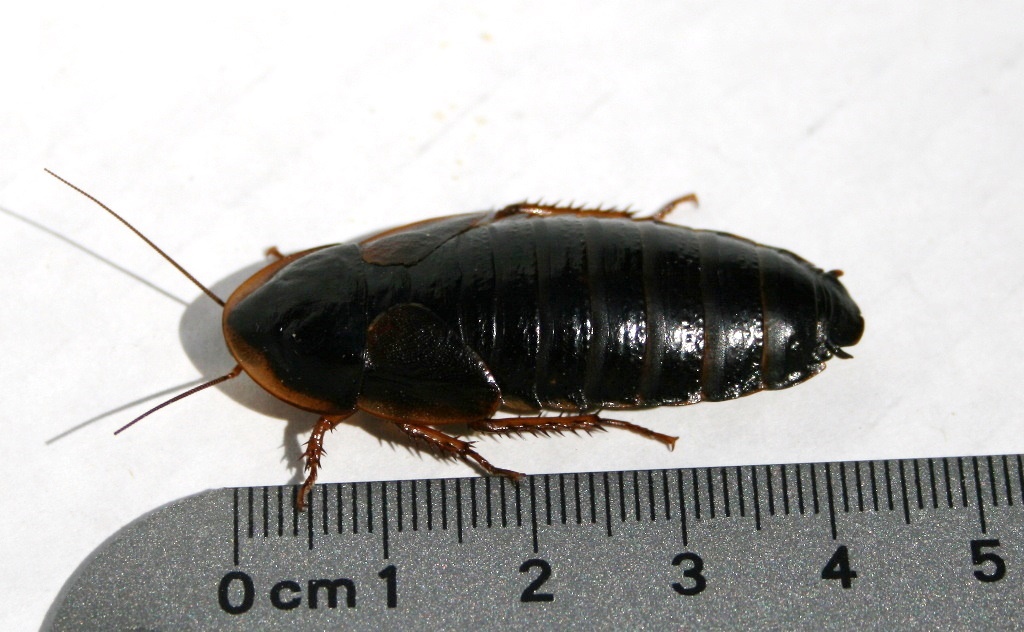
A comprehensive profile of Dubia roaches (Blaptica dubia) as feeder insects — covering nutrition, colony maintenance, benefits, and how they compare to other livefood.
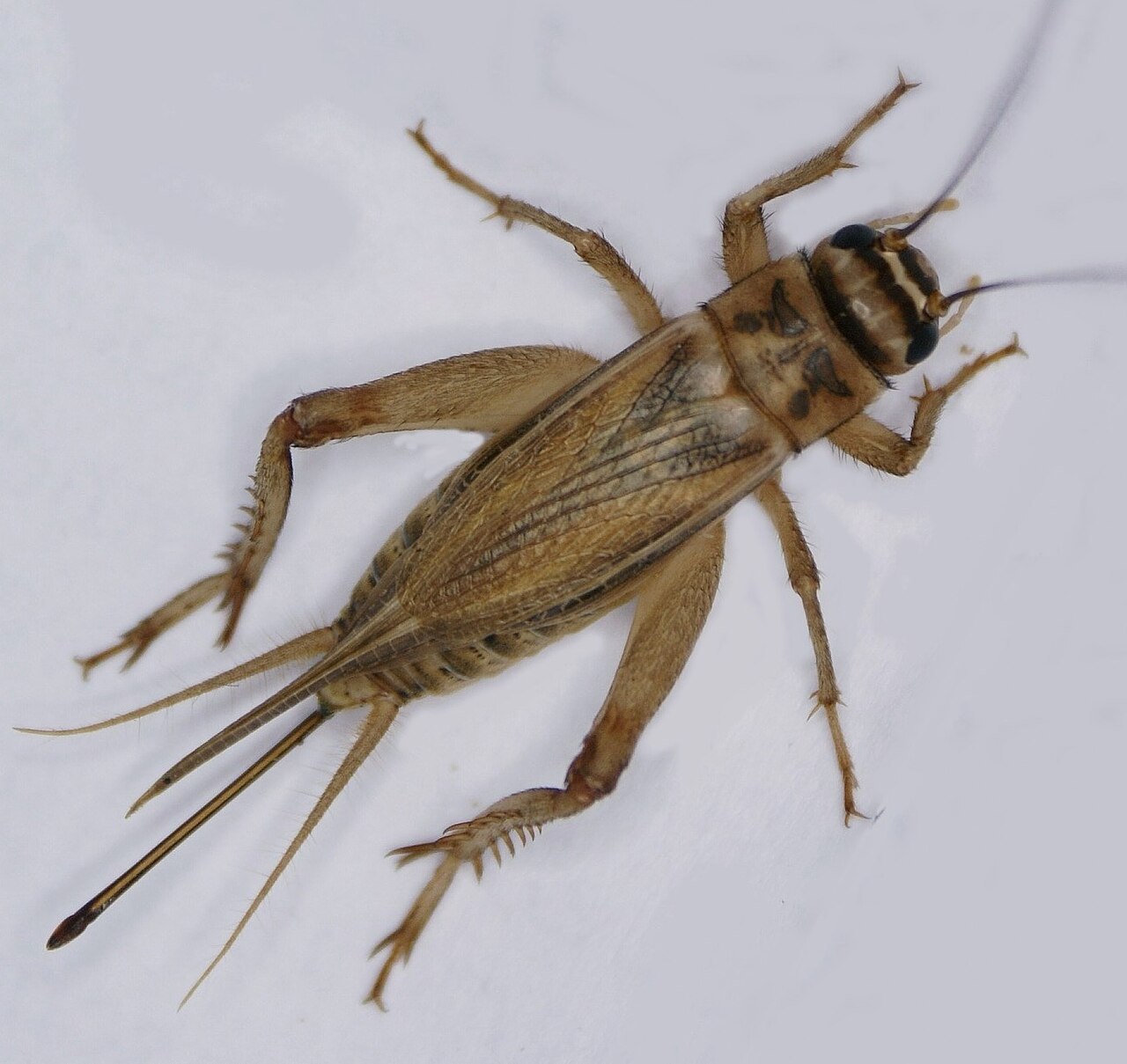
A comprehensive profile of house crickets (Acheta domesticus) as feeder insects — covering nutrition, gut-loading, pros and cons, storage, and how they compare to other livefood options.
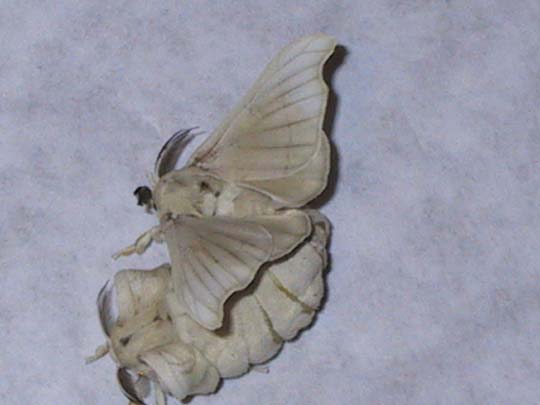
A comprehensive profile of silkworms (Bombyx mori) as feeder insects — covering nutrition, benefits, sourcing, storage, and why many experienced keepers consider them the gold standard of livefood.