Overview
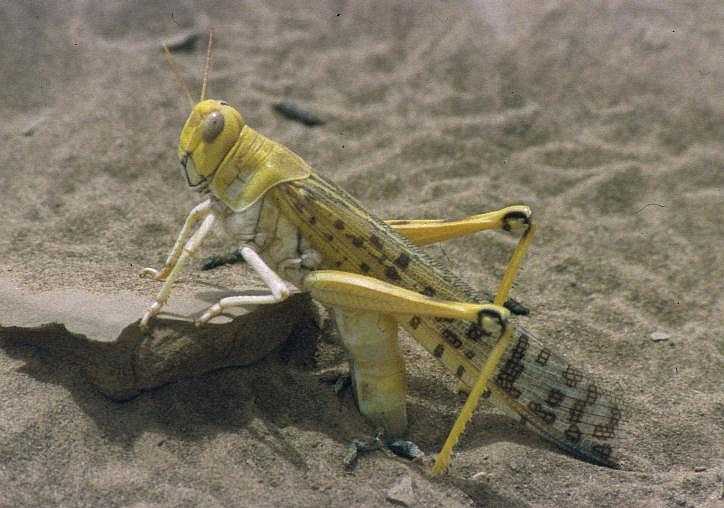
Locusts (primarily Locusta migratoria and Schistocerca gregaria) are one of the most nutritious and enriching feeder insects. Their active hopping and climbing behaviour provides excellent stimulation for hunting species.
,
,
,
,
,
Nutritional Profile
,
,
,
,
Key Benefits
Very high protein (60% DM), low fat (13% DM), and exceptional behavioural enrichment value. Their movement triggers strong predatory responses in chameleons, monitors, and other active hunters. Available in multiple sizes. Quiet, relatively clean, and do not bite. One of the best feeders for encouraging natural hunting behaviour.
Suitable Species
undefined
undefined
undefined
undefined
undefined
undefined
undefined
undefined
undefined
undefined
Storage & Keeping
Limitations
References
- Finke, M.D. (2002). “Complete nutrient composition of commercially raised invertebrates used as food for insectivores.” Zoo Biology, 21(3), 269–285.
- Oonincx, D.G.A.B. & Dierenfeld, E.S. (2012). “An investigation into the chemical composition of alternative invertebrate prey.” Zoo Biology, 31(1), 40–54.
- Wikipedia contributors. “Locusta migratoria / Schistocerca gregaria.” Wikipedia, The Free Encyclopedia. Link