Overview
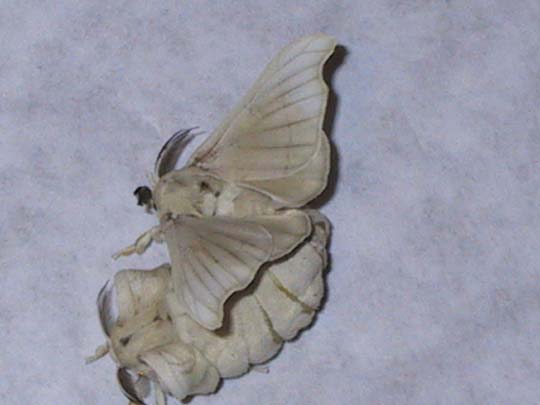
Silkworms (Bombyx mori) are the larvae of the domesticated silk moth, cultivated for thousands of years in East Asia. They are widely considered the single most nutritionally complete feeder insect available to reptile keepers. Unlike many feeder insects, silkworms have no hard exoskeleton or significant chitin content, making them exceptionally easy to digest for animals of all ages.
,
,
,
,
,
Nutritional Profile
Key Benefits
Their unrivalled combination of high protein (63.8% DM), low fat (10.6% DM), near-ideal calcium-to-phosphorus ratio (1:1.2), and zero chitin makes them the gold standard of feeder insects. They also contain serrapeptase, a naturally occurring proteolytic enzyme that aids digestion. Their high moisture content (76-82%) provides excellent hydration — particularly beneficial for chameleons, day geckos, and other species prone to dehydration.
Suitable Species
Bearded Dragons
Leopard Geckos
Chameleons
Day Geckos
Blue-Tongued Skinks
Crested Geckos
Tree Frogs
Axolotls
Baby Reptiles
Tortoises
Storage & Keeping
Limitations
References
- Finke, M.D. (2002). “Complete nutrient composition of commercially raised invertebrates used as food for insectivores.” Zoo Biology, 21(3), 269-285.
- Oonincx, D.G.A.B. & Dierenfeld, E.S. (2012). “An investigation into the chemical composition of alternative invertebrate prey.” Zoo Biology, 31(1), 40-54.
- Wikipedia contributors. “Bombyx mori.” Wikipedia, The Free Encyclopedia. Link