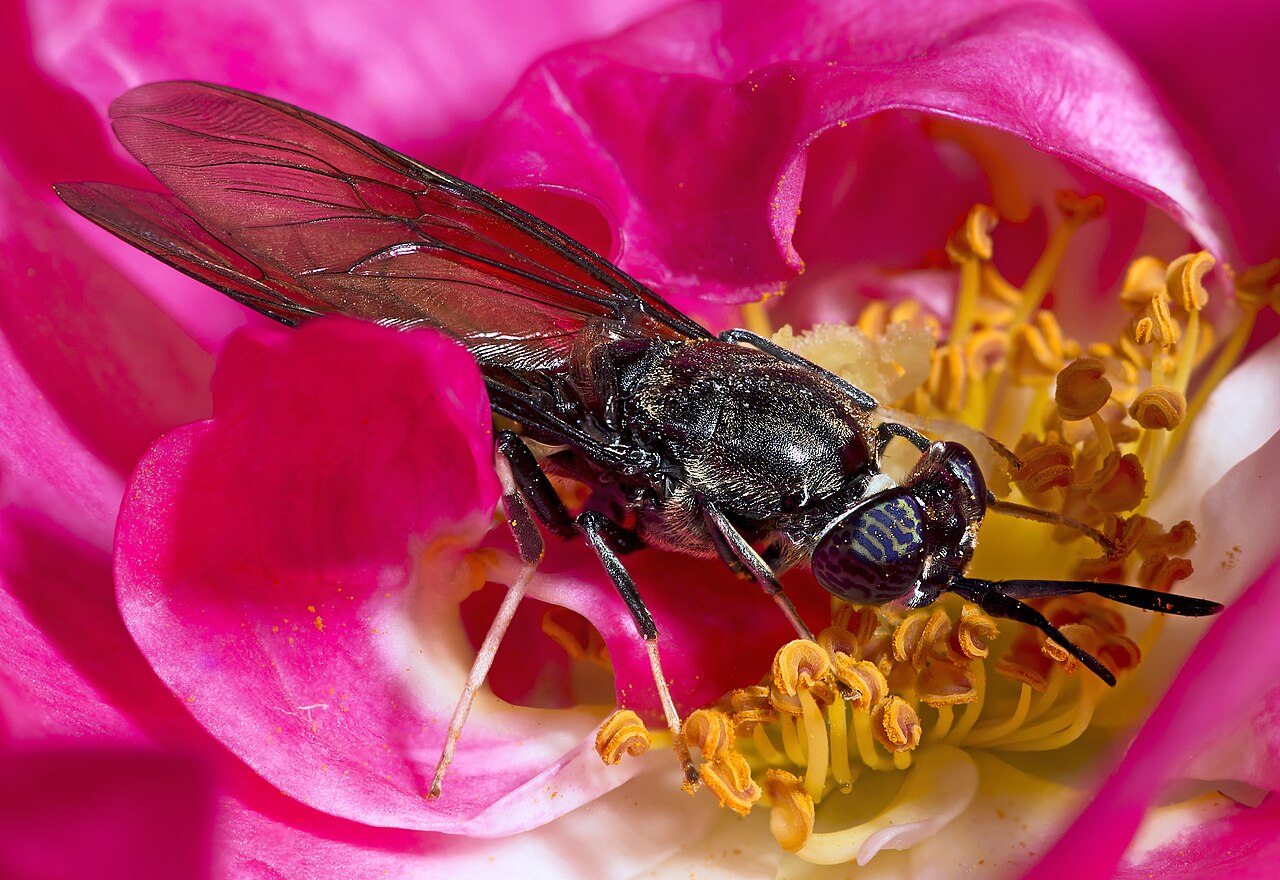
Black Soldier Fly Larvae (Hermetia illucens): The Complete Feeder Profile

Overview

Black soldier fly larvae (Hermetia illucens), often marketed as CalciWorms or NutriGrubs, have revolutionised reptile nutrition. Their extraordinary calcium content sets them apart from every other commercially available feeder insect.

💪
42.1%
Protein (DM)

,

🧈
26%
Fat (DM)

,

🦴
934mg
Calcium/100g

,

⚖️
6.9:1
Ca:P Ratio

,

💧
61-68%
Moisture

,

🐛
Low
Chitin

Nutritional Profile

Nutritional Breakdown — Black Soldier Fly Larvae (Hermetia illucens)
Protein

42.1% DM
Good

,

Fat

26% DM
Moderate

,

Calcium

934mg/100g
Excellent

,

Ca:P Ratio

6.9:1
Excellent

,

Digestibility

Low chitin
Good

Overall Feeder Rating
8.5/10
Excellent Feeder — Highly Recommended

Key Benefits

Their calcium content (934 mg/100g) is staggering — roughly 50 times higher than crickets. This gives them a positive calcium-to-phosphorus ratio (6.9:1), meaning they actually help correct calcium deficiency rather than contributing to it. Low chitin, soft-bodied, and accepted by most species. Virtually no odour and extremely easy to keep.

Suitable Species

ℹ️
Suitability Guide

🟢 = Highly recommended   🔵 = Good choice   🟡 = Occasional use   🔴 = Not recommended

undefined

undefined

undefined

undefined

undefined

undefined

undefined

undefined

undefined

undefined

Storage & Keeping

💡
Storage TipsRefrigerate at 10-15°C to slow development. They will keep for 2-3 weeks refrigerated. Do not freeze. Bring to room temperature before feeding. No gut-loading needed — their calcium content is inherent.

Limitations

⚠️
Things to ConsiderTheir protein content (42.1% DM) is lower than silkworms or crickets, and fat is moderate (26% DM). They are small, which limits their use for larger species. They pupate relatively quickly at room temperature, so refrigeration is needed to extend shelf life. Their dark colour and wriggling movement are not as attractive to all species.

References

  • Finke, M.D. (2002). “Complete nutrient composition of commercially raised invertebrates used as food for insectivores.” Zoo Biology, 21(3), 269–285.
  • Oonincx, D.G.A.B. & Dierenfeld, E.S. (2012). “An investigation into the chemical composition of alternative invertebrate prey.” Zoo Biology, 31(1), 40–54.
  • Wikipedia contributors. “Hermetia illucens.” Wikipedia, The Free Encyclopedia. Link

Leave a Comment