Why One Feeder Isn’t Enough
No single feeder insect provides 100% of a reptile’s nutritional needs. Even the best feeders (silkworms, BSFL) have gaps that other species fill. Rotation ensures balanced nutrition, prevents feeding boredom, and reduces the risk of single-nutrient deficiency.
ℹ️
The Rotation PrincipleFeed at least 3-4 different feeder species per week. Each species fills nutritional gaps that others leave. Variety is the single most impactful improvement most keepers can make.
What Each Feeder Brings to the Table
🥇
Silkworms
Best overall protein & Ca:P
,
🦴
BSFL
Calcium powerhouse
,
💧
Hornworms
Hydration specialist
,
🏃
Locusts
Enrichment & exercise
,
🏠
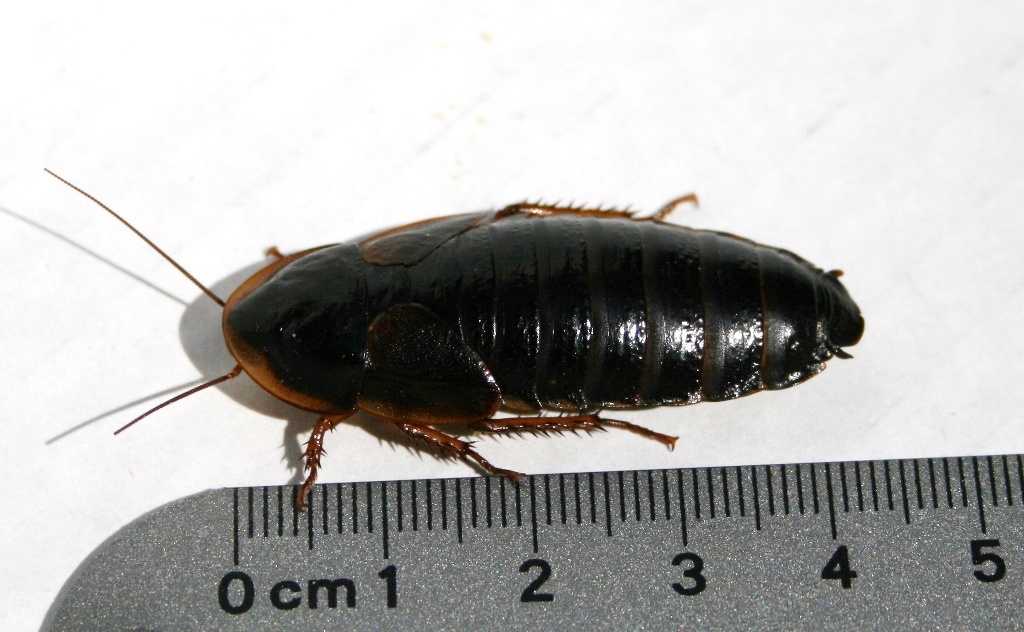
Dubia Roaches
Convenient daily staple
,
🎵
Crickets
Available everywhere
Sample Weekly Rotation
1
Monday — Silkworms
High protein, perfect Ca:P ratio. The nutritional anchor of the week. Dust lightly with calcium.
2
Tuesday — Dubia Roaches
Good protein, easy to portion. Dust with calcium. Practical and consistent.
3
Wednesday — BSFL / Calciworms
Calcium day — no dusting needed. These actively boost calcium stores.
4
Thursday — Locusts or Crickets
Enrichment day — active movement stimulates hunting behaviour. Dust with calcium + D3.
5
Friday — Silkworms + Hornworms
Protein and hydration combo. Excellent for chameleons and species prone to dehydration.
6
Weekend — Dubia Roaches + BSFL
Easy weekend combination. Mix sizes for variety. Add multivitamin dust once per month.
⚠️
Avoid Single-Feeder DietsFeeding only crickets (the most common mistake) leads to calcium deficiency, limited amino acid diversity, and feeding boredom. A cricket-only diet is like eating only chicken — technically protein, but nutritionally incomplete.
💡
The Minimum Viable RotationIf you can only keep two feeders, make it silkworms + BSFL. Together they cover protein, calcium, Ca:P ratio, hydration, and digestibility — the five most important metrics.
References
- Finke, M.D. (2002). “Complete nutrient composition of commercially raised invertebrates.” Zoo Biology, 21(3), 269-285.