Overview
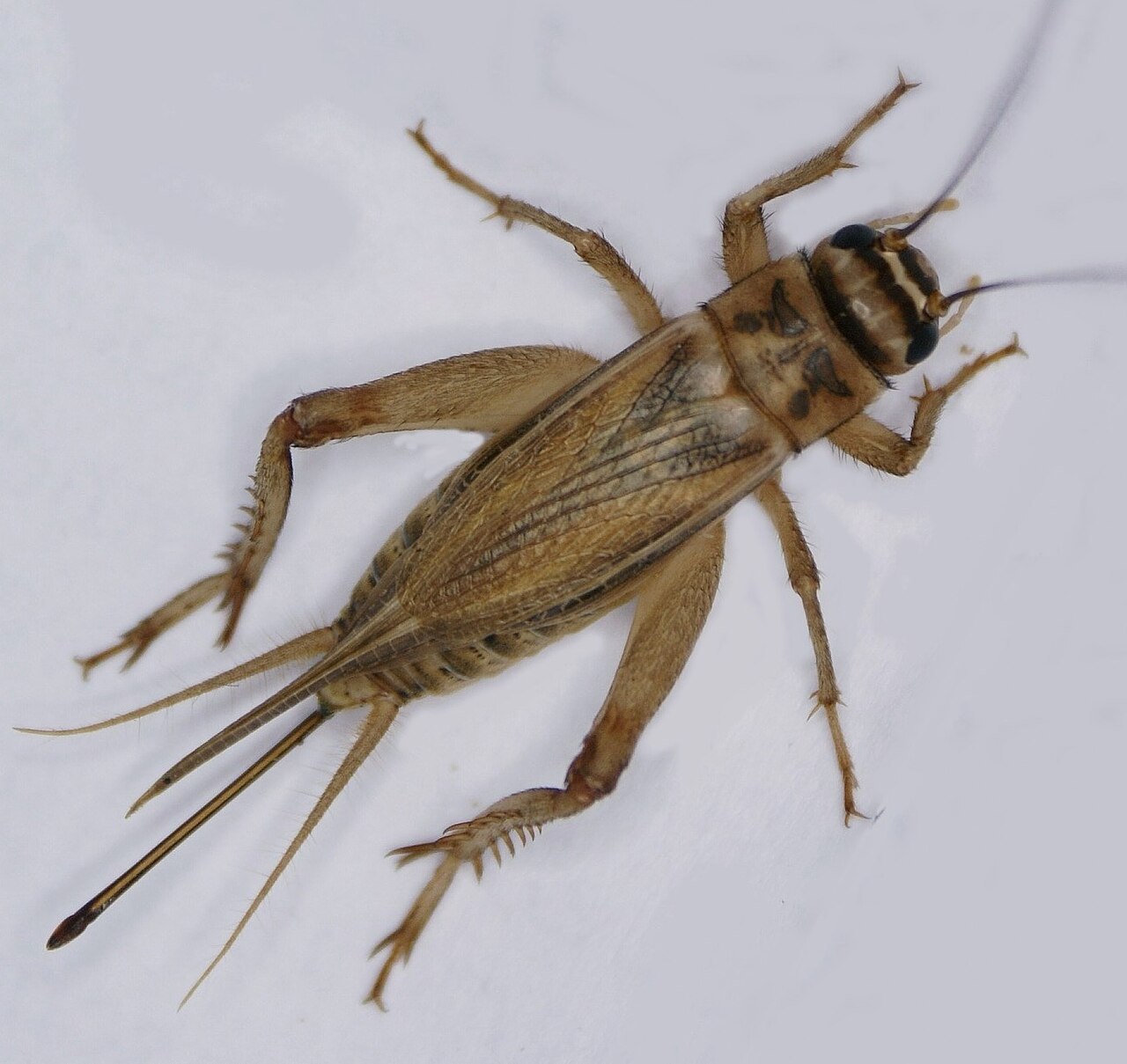
Crickets (Acheta domesticus) are the most widely used feeder insect in the reptile hobby. Available in every pet shop and online retailer, they are the industry workhorse — affordable, widely accepted by insectivores, and available in sizes from pinhead to adult.
,
,
,
,
,
Nutritional Profile
,
,
,
,
Key Benefits
Their greatest strength is accessibility and acceptance rate. Almost every insectivorous reptile will eagerly take crickets. They have decent protein (55% DM) when properly gut-loaded, and their active hopping movement triggers strong feeding responses. Widely available in multiple sizes for animals of all ages.
Suitable Species
undefined
undefined
undefined
undefined
undefined
undefined
undefined
undefined
undefined
undefined
Storage & Keeping
Limitations
References
- Finke, M.D. (2002). “Complete nutrient composition of commercially raised invertebrates used as food for insectivores.” Zoo Biology, 21(3), 269–285.
- Oonincx, D.G.A.B. & Dierenfeld, E.S. (2012). “An investigation into the chemical composition of alternative invertebrate prey.” Zoo Biology, 31(1), 40–54.
- Wikipedia contributors. “Acheta domesticus.” Wikipedia, The Free Encyclopedia. Link