Overview
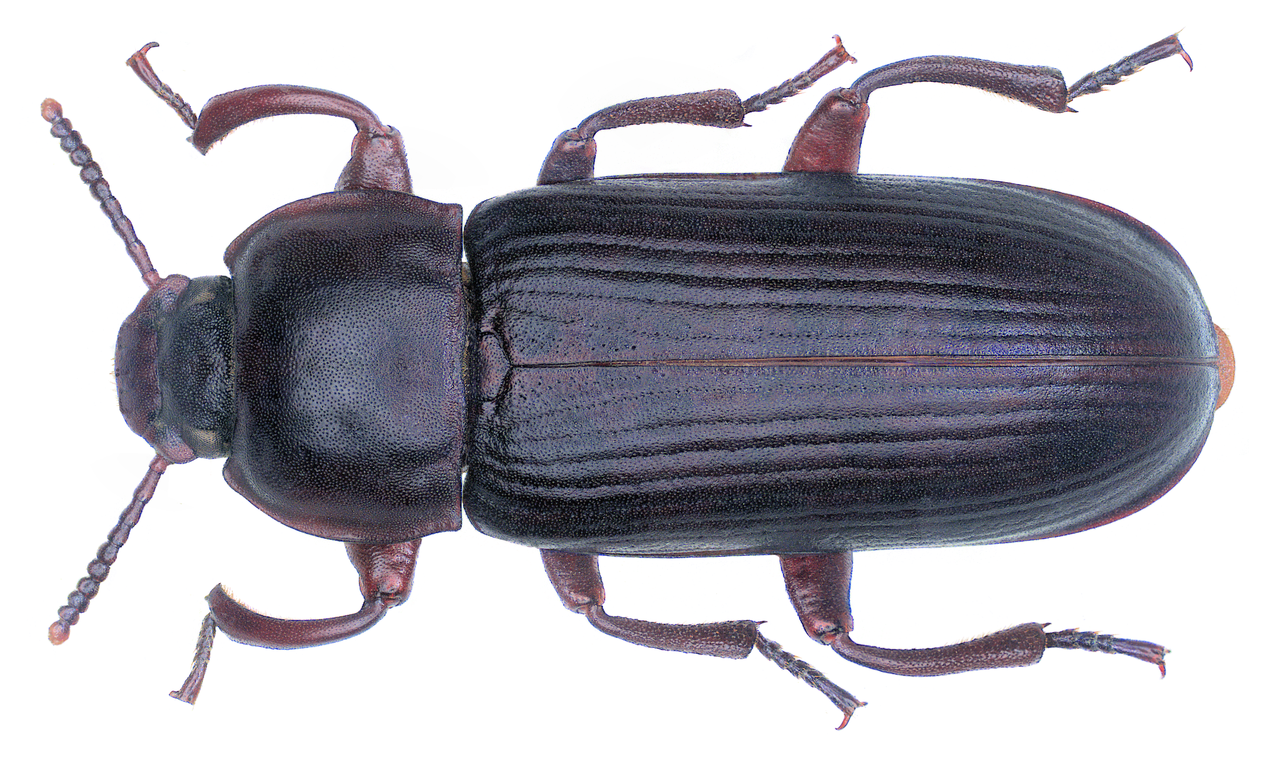
Mealworms (Tenebrio molitor) are the larvae of the darkling beetle and one of the cheapest, most readily available feeder insects. Found in virtually every pet shop, they are often the first feeder insect new reptile keepers encounter.
💪
49.1%
Protein (DM)
,
🧈
35.3%
Fat (DM)
,
🦴
3mg
Calcium/100g
,
⚖️
1:14
Ca:P Ratio
,
💧
58-63%
Moisture
,
🐛
High
Chitin
Nutritional Profile
Nutritional Breakdown — Mealworms (Tenebrio molitor)
Protein
49.1% DM
Moderate
,
Fat
35.3% DM
Poor
,
Calcium
3mg/100g
Poor
,
Ca:P Ratio
1:14
Poor
,
Digestibility
High chitin
Poor
Overall Feeder Rating
4/10
Moderate Feeder — Use with Care
Key Benefits
Their primary advantage is convenience: they are cheap, widely available, easy to store (just keep them in the fridge), and accepted by most insectivores. They can be stored at low temperatures (5-10°C) for weeks, slowing their metabolism and extending shelf life.
Suitable Species
ℹ️
Suitability Guide
🟢 = Highly recommended 🔵 = Good choice 🟡 = Occasional use 🔴 = Not recommended
undefined
undefined
undefined
undefined
undefined
undefined
undefined
undefined
undefined
undefined
Storage & Keeping
💡
Storage TipsRefrigerate at 5-10°C in a container of bran or oats to slow growth. They will keep for 2-3 weeks. Bring to room temperature and gut-load with fresh vegetables 24 hours before feeding.
Limitations
⚠️
Things to ConsiderNutritionally, mealworms are one of the weakest feeders available. They have very high fat (35.3% DM), very low calcium (3 mg/100g), a terrible calcium-to-phosphorus ratio (1:14), and high chitin content that makes them difficult to digest, particularly for smaller reptiles. They should only be used as an occasional treat, never as a staple diet.
References
- Finke, M.D. (2002). “Complete nutrient composition of commercially raised invertebrates used as food for insectivores.” Zoo Biology, 21(3), 269–285.
- Oonincx, D.G.A.B. & Dierenfeld, E.S. (2012). “An investigation into the chemical composition of alternative invertebrate prey.” Zoo Biology, 31(1), 40–54.
- Wikipedia contributors. “Tenebrio molitor.” Wikipedia, The Free Encyclopedia. Link