What Is the Ca:P Ratio?
The calcium-to-phosphorus ratio measures the balance between these two minerals in a food source. Phosphorus competes with calcium for absorption — when phosphorus is high relative to calcium, the body cannot absorb enough calcium even if calcium is present in the diet. This is why raw calcium numbers alone are misleading.
ℹ️
The TargetThe ideal dietary Ca:P ratio for most reptiles is between 1.5:1 and 2:1 (calcium to phosphorus). Most feeder insects have INVERTED ratios — far more phosphorus than calcium.
Ca:P Ratios of Common Feeders
Calcium-to-Phosphorus Ratio Comparison
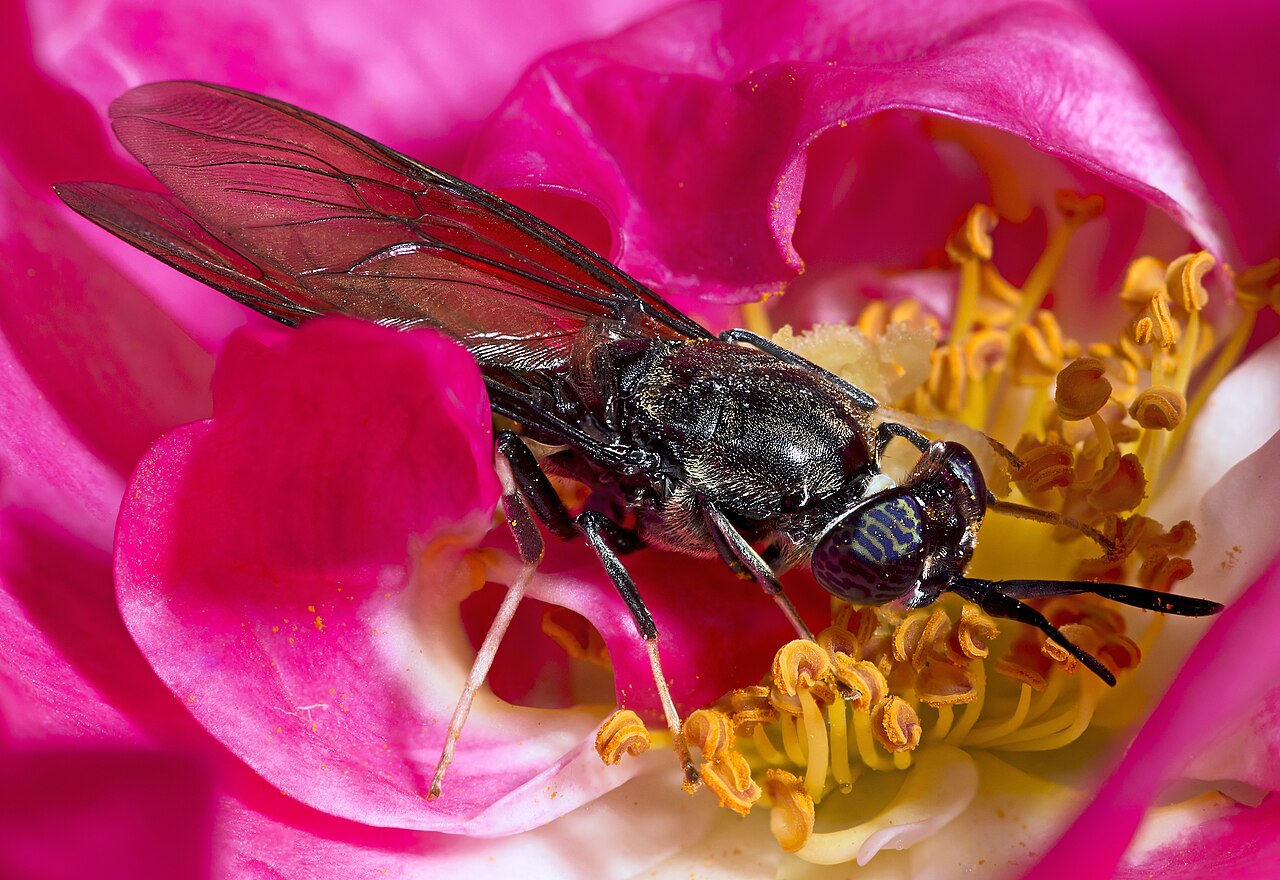
BSFL
6.9:1
Excellent
,
Silkworms
1:1.2
Excellent
,
Earthworms
1:1.3
Excellent
,
Butterworms
1:2.9
Good
,
Hornworms
1:3
Good
,
Fruit Flies
1:4.8
Moderate
,
Dubia Roaches
1:4.9
Moderate
,
Crickets
1:7.4
Poor
,
Locusts
1:9.5
Poor
,
Waxworms
1:12.4
Poor
,
Mealworms
1:14
Poor
,
Superworms
1:20
Poor
What Happens When Ca:P Is Wrong?
🚨
Metabolic Bone Disease (MBD)Chronic calcium deficiency from poor Ca:P ratios causes soft, deformed bones, jaw deformities, tremors, lethargy, and eventually death. MBD is the most common preventable disease in captive reptiles.
How to Fix Poor Ratios
1
Choose Better Feeders
Switch from mealworms/crickets to silkworms, BSFL, and earthworms as staples. These have naturally balanced Ca:P ratios.
2
Dust with Calcium
Coat feeders with pure calcium powder at every feed. This adds calcium without adding more phosphorus.
3
Provide UVB Lighting
UVB enables reptiles to synthesise vitamin D3, which is essential for calcium absorption. Without UVB, calcium supplementation is much less effective.
4
Gut-Load with Calcium-Rich Foods
Feed insects calcium-rich greens (collard greens, mustard greens) for 24-48 hours before offering to your reptile.
💡
The Easy FixIf you can only make one change to your feeding routine, switch to BSFL as a regular part of the diet. Their 6.9:1 Ca:P ratio actively corrects calcium deficiency — no dusting needed.
References
- Finke, M.D. (2002). “Complete nutrient composition of commercially raised invertebrates.” Zoo Biology, 21(3), 269-285.
- Oonincx, D.G.A.B. & Dierenfeld, E.S. (2012). “An investigation into the chemical composition of alternative invertebrate prey.” Zoo Biology, 31(1), 40-54.