Why Nutrition Matters
The health of your reptile is directly determined by the quality of its diet. Feeder insects are not all created equal — their nutritional profiles vary enormously, and understanding these differences is the key to preventing common health problems like metabolic bone disease, obesity, and vitamin deficiencies.
The Five Key Metrics
,
,
,
,
Protein
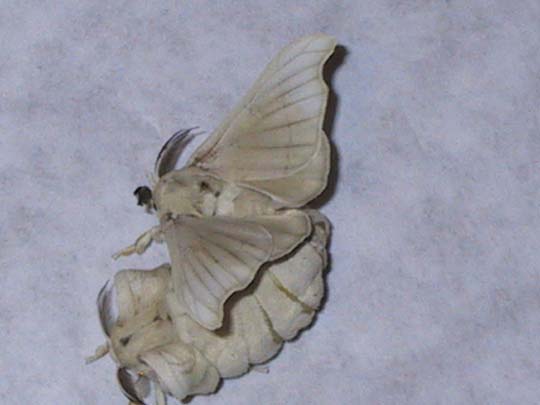
Protein is the primary building block for growth, tissue repair, and muscle development. Growing juveniles need higher protein than adults. The best high-protein feeders are silkworms (63.8% DM), earthworms (62.2% DM), and locusts (60% DM). Protein percentages are measured on a dry-matter (DM) basis to allow fair comparison between feeders with different moisture contents.
Fat
Fat provides concentrated energy but excess leads to obesity and fatty liver disease. Waxworms (46.4% fat) and superworms (38% fat) are the highest-fat feeders and should be strictly limited. Low-fat feeders like silkworms (10.6%), locusts (13%), and earthworms (11%) can be fed frequently without weight concerns.
Calcium & the Ca:P Ratio
The calcium-to-phosphorus ratio is arguably the most important single metric. A ratio of 2:1 (calcium to phosphorus) is ideal. Most feeders have inverted ratios — crickets at 1:7.4 and mealworms at 1:14 actively deplete calcium stores. The exceptions are BSFL (6.9:1), silkworms (1:1.2), and earthworms (1:1.3).
Chitin & Digestibility
Chitin is the structural component of insect exoskeletons. High-chitin feeders like mealworms and superworms are harder to digest and can cause impaction in small or juvenile reptiles. Silkworms, hornworms, earthworms, and BSFL have negligible to low chitin and are the safest options for easy digestion.
References
- Finke, M.D. (2002). “Complete nutrient composition of commercially raised invertebrates.” Zoo Biology, 21(3), 269-285.
- Oonincx, D.G.A.B. & Dierenfeld, E.S. (2012). “An investigation into the chemical composition of alternative invertebrate prey.” Zoo Biology, 31(1), 40-54.