What Is Chitin?
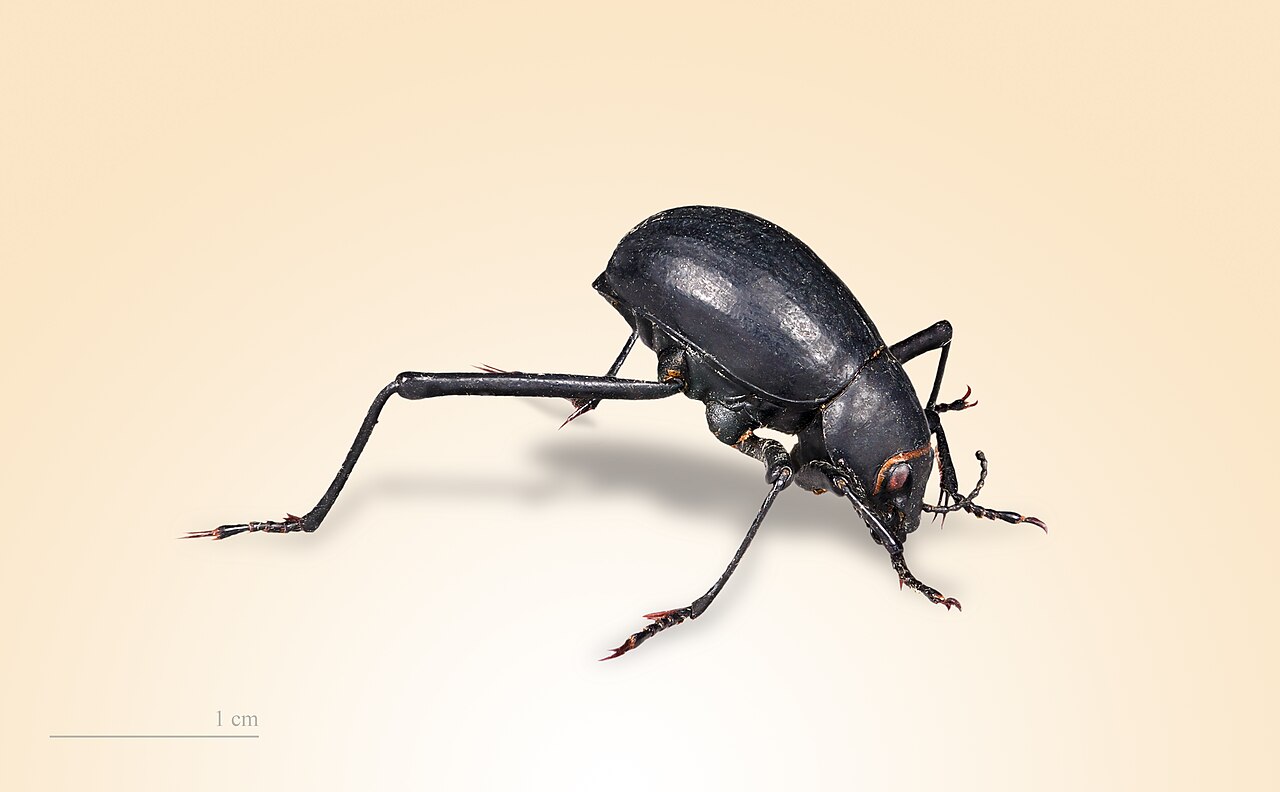
Chitin is a tough polysaccharide that forms the exoskeleton of insects and crustaceans. It is the insect equivalent of the shell on a prawn — a structural material that protects the soft body inside. For reptiles eating insects, chitin is essentially indigestible fibre that must pass through the gut.
ℹ️
Key FactMost reptiles cannot fully digest chitin. While some species produce chitinase enzymes, the efficiency varies enormously. Young, small, and sick animals are most vulnerable to chitin-related digestive problems.
Chitin Levels in Common Feeders
Chitin Content by Feeder (Lower = Better)
Silkworms
None
Excellent
,
Hornworms
Negligible
Excellent
,
Earthworms
None
Excellent
,
BSFL
Low
Good
,
Waxworms
Low
Good
,
Fruit Flies
Low
Good
,
Dubia Roaches
Low-Moderate
Moderate
,
Crickets
Moderate
Moderate
,
Locusts
Moderate
Moderate
,
Mealworms
High
Poor
,
Superworms
High
Poor
Why Chitin Matters
⚠️
Impaction RiskHigh-chitin feeders can accumulate in the gut, causing partial or complete blockage (impaction). This is a veterinary emergency that can be fatal. Baby reptiles, small species, and dehydrated animals are most at risk.
Which Species Are Most Affected?
Baby reptiles — highest risk
Leopard geckos — prone to impaction
Chameleons — prefer soft-bodied prey
Bearded dragon juveniles
Adult bearded dragons — moderate tolerance
Monitors — good chitin tolerance
Blue-tongued skinks — can handle some chitin
Large adult lizards — generally tolerate well
💡
The SolutionChoose soft-bodied feeders (silkworms, hornworms, earthworms, BSFL) as the dietary foundation. Use higher-chitin feeders (crickets, roaches) as supplements, and avoid mealworms/superworms as staples — especially for juveniles.
References
- Finke, M.D. (2002). “Complete nutrient composition of commercially raised invertebrates.” Zoo Biology, 21(3), 269-285.
- Oonincx, D.G.A.B. & Dierenfeld, E.S. (2012). “An investigation into the chemical composition of alternative invertebrate prey.” Zoo Biology, 31(1), 40-54.