Overview
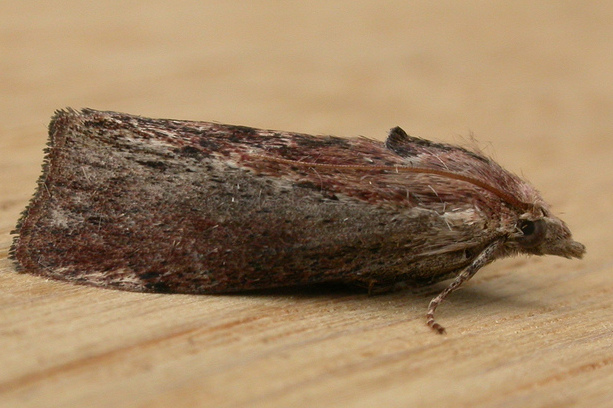
Butterworms (Chilecomadia moorei) are the larvae of the Chilean moth. Bright orange and irresistibly palatable, they are imported from Chile and cannot be bred in captivity outside their native range.
💪
40.7%
Protein (DM)
,
🧈
29.4%
Fat (DM)
,
🦴
43mg
Calcium/100g
,
⚖️
1:2.9
Ca:P Ratio
,
💧
58-62%
Moisture
,
🐛
Low
Chitin
Nutritional Profile
Nutritional Breakdown — Butterworms (Chilecomadia moorei)
Protein
40.7% DM
Moderate
,
Fat
29.4% DM
Moderate
,
Calcium
43mg/100g
Good
,
Ca:P Ratio
1:2.9
Good
,
Digestibility
Low chitin
Good
Overall Feeder Rating
5.5/10
Moderate Feeder — Use with Care
Key Benefits
Better calcium-to-phosphorus ratio (1:2.9) than waxworms, with good calcium levels (43 mg). Soft-bodied with low chitin. Excellent palatability — most reptiles eagerly accept them. A good compromise between the palatability of waxworms and better nutritional content.
Suitable Species
ℹ️
Suitability Guide
🟢 = Highly recommended 🔵 = Good choice 🟡 = Occasional use 🔴 = Not recommended
undefined
undefined
undefined
undefined
undefined
undefined
undefined
undefined
undefined
undefined
Storage & Keeping
💡
Storage TipsRefrigerate at 5-10°C in their shipping container. They will keep for 2-4 weeks refrigerated. They cannot be bred or cultured at home. Never freeze.
Limitations
⚠️
Things to ConsiderHigh fat (29.4% DM) limits their use as a staple. Cannot be bred in captivity — all butterworms are wild-harvested from Chile and irradiated to prevent pupation. Availability is seasonal and inconsistent. They must be refrigerated and have a limited shelf life.
References
- Finke, M.D. (2002). “Complete nutrient composition of commercially raised invertebrates used as food for insectivores.” Zoo Biology, 21(3), 269–285.
- Oonincx, D.G.A.B. & Dierenfeld, E.S. (2012). “An investigation into the chemical composition of alternative invertebrate prey.” Zoo Biology, 31(1), 40–54.
- Wikipedia contributors. “Chilecomadia moorei.” Wikipedia, The Free Encyclopedia. Link