Overview
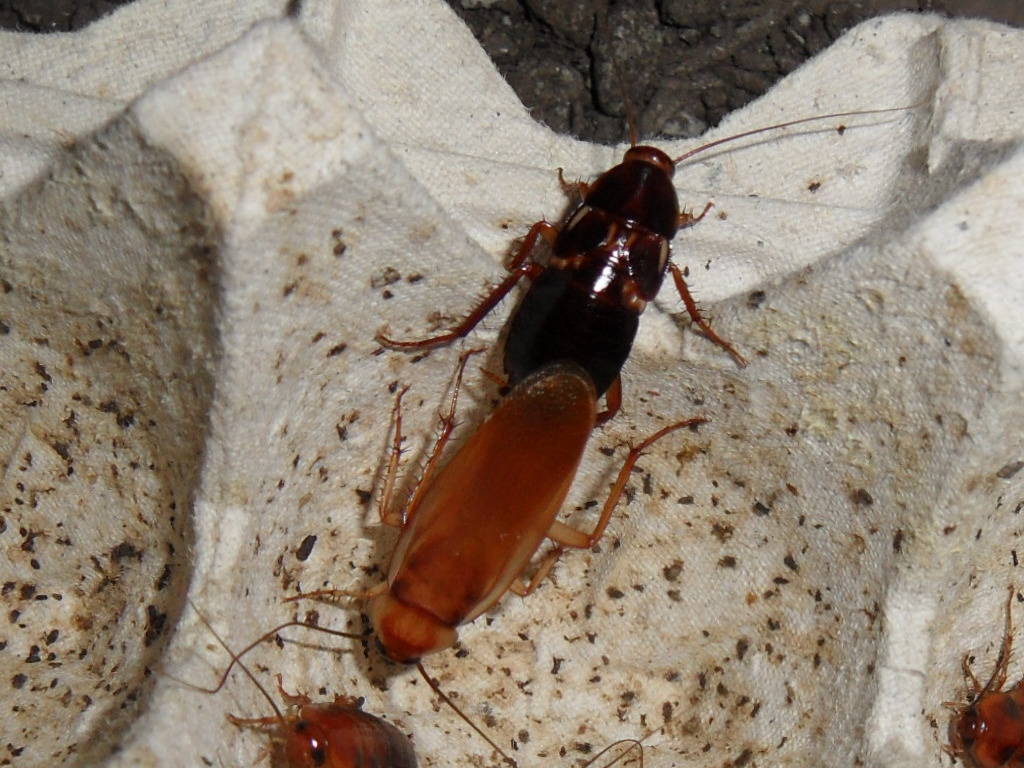
Turkestan roaches (Shelfordella lateralis), also known as red runners or rusty reds, combine the active movement of crickets with the cleanliness and ease of roaches.
💪
53%
Protein (DM)
,
🧈
19%
Fat (DM)
,
🦴
18mg
Calcium/100g
,
⚖️
1:5.1
Ca:P Ratio
,
💧
64-70%
Moisture
,
🐛
Low-Moderate
Chitin
Nutritional Profile
Nutritional Breakdown — Turkestan Roaches (Shelfordella lateralis)
Protein
53% DM
Good
,
Fat
19% DM
Moderate
,
Calcium
18mg/100g
Moderate
,
Ca:P Ratio
1:5.1
Moderate
,
Digestibility
Low-Moderate chitin
Good
Overall Feeder Rating
6.5/10
Good Feeder — Solid Choice
Key Benefits
Active runners that trigger excellent feeding responses — more movement than Dubias. Good protein (53% DM), moderate fat. Do not climb smooth surfaces. Males can fly/glide slightly, adding movement variety. Easy to breed. Less chitin than similarly-sized crickets. Quieter and less smelly than crickets.
Suitable Species
ℹ️
Suitability Guide
🟢 = Highly recommended 🔵 = Good choice 🟡 = Occasional use 🔴 = Not recommended
undefined
undefined
undefined
undefined
undefined
undefined
undefined
undefined
undefined
undefined
Storage & Keeping
💡
Storage TipsKeep at 25-32°C in a well-ventilated tub with egg flats. Feed fresh vegetables, fruit, and dry dog food. A colony breeds prolifically with minimal maintenance.
Limitations
⚠️
Things to ConsiderCa:P ratio (1:5.1) requires supplementation. Males can glide/flutter when warm, which some keepers find concerning. Less widely available than Dubias or crickets. Smaller maximum size than Dubias.
References
- Finke, M.D. (2002). “Complete nutrient composition of commercially raised invertebrates used as food for insectivores.” Zoo Biology, 21(3), 269–285.
- Oonincx, D.G.A.B. & Dierenfeld, E.S. (2012). “An investigation into the chemical composition of alternative invertebrate prey.” Zoo Biology, 31(1), 40–54.
- Wikipedia contributors. “Shelfordella lateralis.” Wikipedia, The Free Encyclopedia. Link