Overview
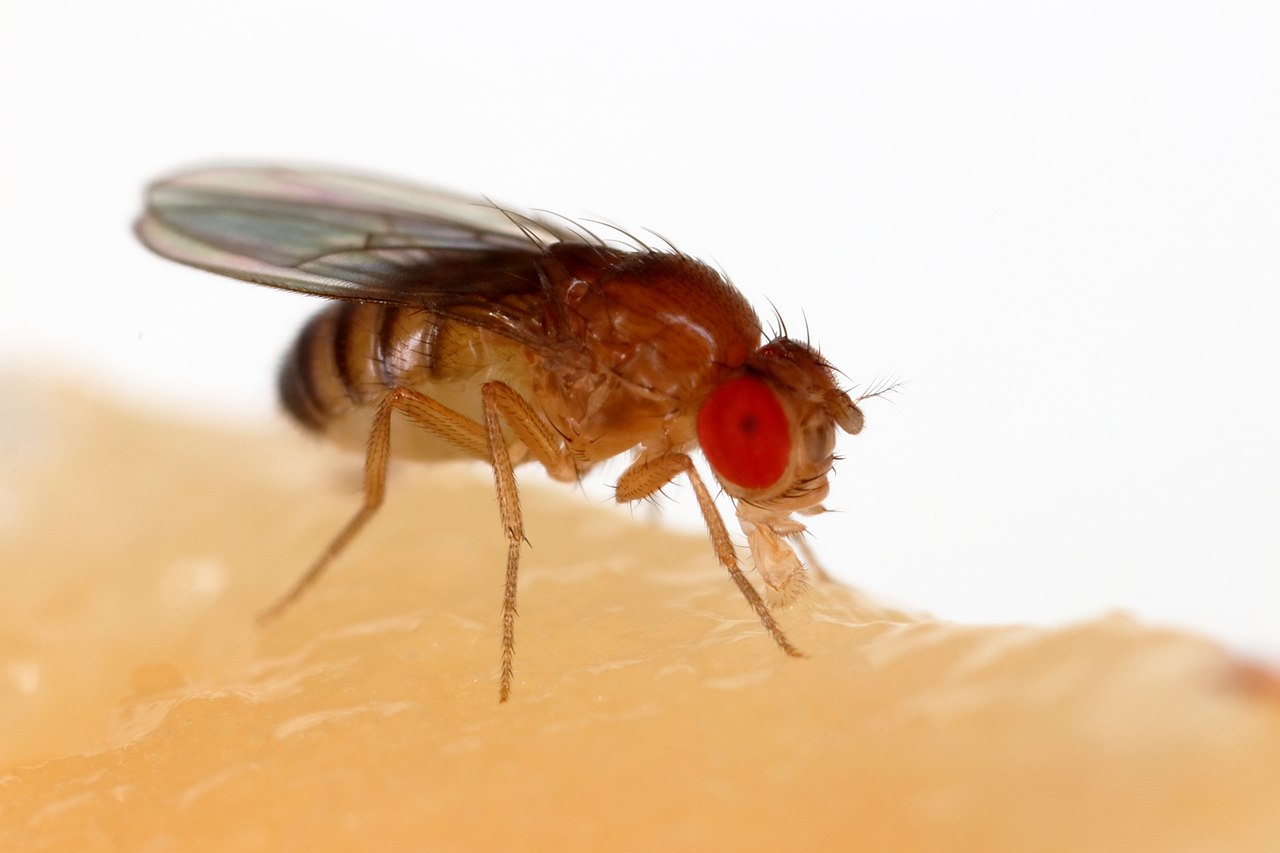
Fruit flies (primarily Drosophila melanogaster and the larger D. hydei) are essential micro-feeders for the smallest insectivores — dart frogs, baby chameleons, tiny gecko hatchlings, and mantids.
,
,
,
,
,
Nutritional Profile
,
,
,
,
Key Benefits
Indispensable for micro-species that cannot physically consume larger feeders. Good protein (52% DM), moderate fat. Flightless cultures are available, making them much easier to manage. Easy to culture at home, providing a continuous supply. Their small size and erratic walking movement triggers feeding in even the smallest reptiles and amphibians.
Suitable Species
undefined
undefined
undefined
undefined
undefined
undefined
undefined
undefined
undefined
undefined
Storage & Keeping
Limitations
References
- Finke, M.D. (2002). “Complete nutrient composition of commercially raised invertebrates used as food for insectivores.” Zoo Biology, 21(3), 269–285.
- Oonincx, D.G.A.B. & Dierenfeld, E.S. (2012). “An investigation into the chemical composition of alternative invertebrate prey.” Zoo Biology, 31(1), 40–54.
- Wikipedia contributors. “Drosophila melanogaster / D. hydei.” Wikipedia, The Free Encyclopedia. Link