What You’ll Need
🪱
Mature superworms (50+)
💊
Pill organiser for isolation
📦
Breeding tub with bran
🌡️
Heat mat (25-28°C)
🥕
Vegetable slices for moisture
🪟
Secure lid (beetles fly)
Step-by-Step Guide
1
undefined
undefined
2
undefined
undefined
3
undefined
undefined
4
undefined
undefined
5
undefined
undefined
6
undefined
undefined
Tips for Success
💡
Pro TipThe isolation step is what makes superworm breeding unique — no isolation, no pupation, no breeding.
💡
Pro TipPill organisers from a pharmacy make excellent individual pupation chambers.
💡
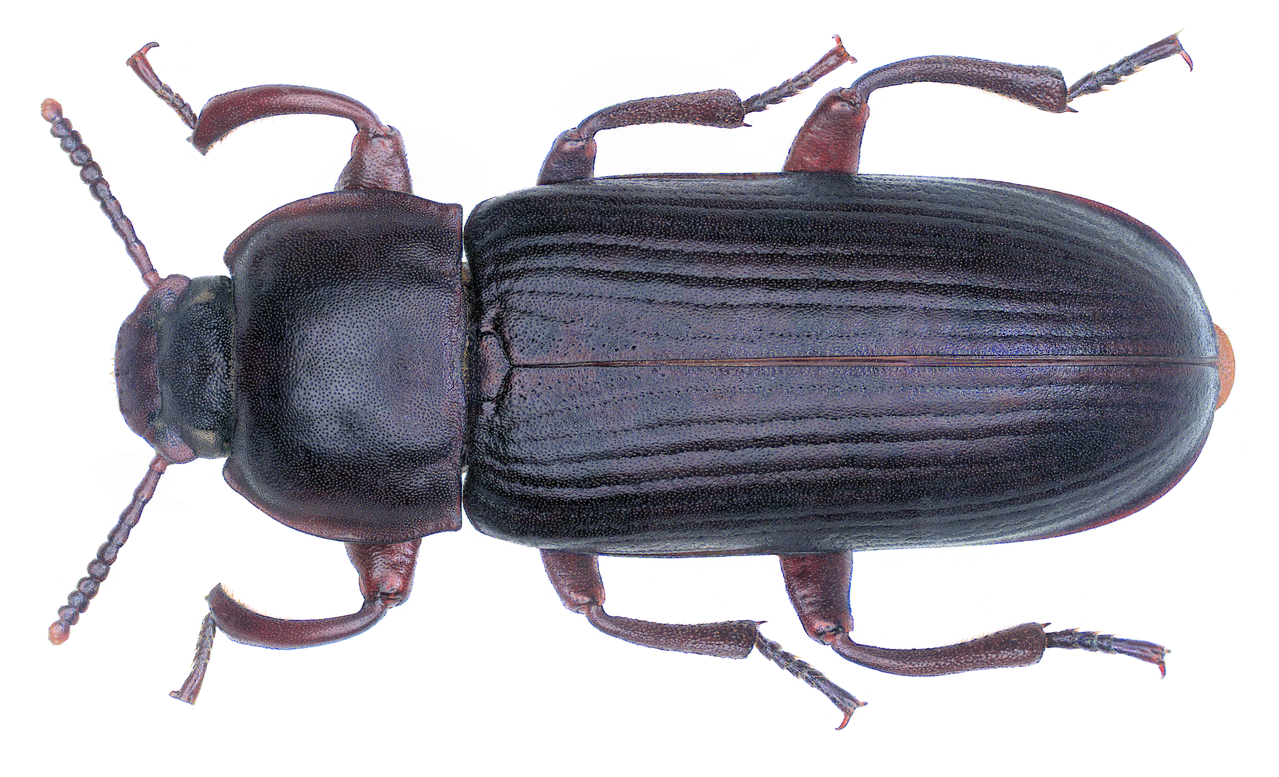
Pro TipSuperworm beetles can fly — ensure the breeding container has a secure lid.
Common Problems & Warnings
⚠️
WarningSuperworms have powerful mandibles and can bite — never leave uneaten superworms in a reptile enclosure.
⚠️
WarningNutritionally, superworms share all the drawbacks of mealworms but with an even worse Ca:P ratio (1:20).
⚠️
WarningDo NOT refrigerate superworms — cold temperatures kill them (unlike mealworms).
References
- Finke, M.D. (2002). “Complete nutrient composition of commercially raised invertebrates.” Zoo Biology, 21(3), 269–285.
- Oonincx, D.G.A.B. & Dierenfeld, E.S. (2012). “An investigation into the chemical composition of alternative invertebrate prey.” Zoo Biology, 31(1), 40–54.