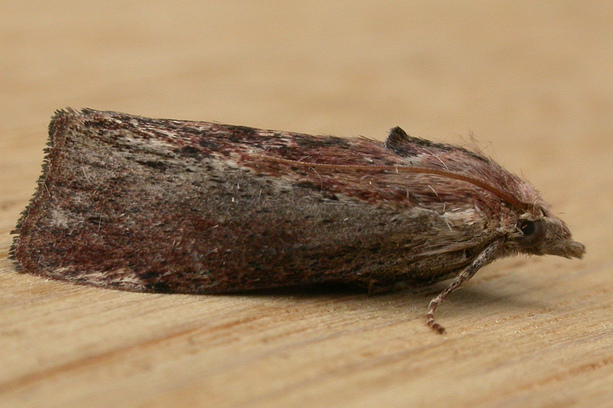
What You’ll Need
📦
Glass or thick plastic container
🍯
Beeswax, bran, honey & glycerin
🌡️
Heat mat (28-30°C)
🪟
Secure lid (moths chew!)
❄️
Refrigerator for storage
🥄
Small containers for harvesting
Step-by-Step Guide
1
undefined
undefined
2
undefined
undefined
3
undefined
undefined
4
undefined
undefined
5
undefined
undefined
6
undefined
undefined
Tips for Success
💡
Pro TipA small colony produces far more waxworms than most keepers need — share surplus with other reptile keepers.
💡
Pro TipThe beeswax/honey substrate smells pleasant — one of the nicer feeder colonies to maintain.
💡
Pro TipFeed sparingly: 2-3 waxworms per week maximum for most species.
Common Problems & Warnings
⚠️
WarningWaxworm moths can chew through fabric, mesh, and thin plastic — use glass or thick rigid containers only.
⚠️
WarningRegular waxworm feeding causes obesity and “waxworm addiction” where reptiles refuse healthier feeders.
⚠️
WarningEscaped waxworm moths can infest beehives if you or neighbours keep bees — take containment seriously.
References
- Finke, M.D. (2002). “Complete nutrient composition of commercially raised invertebrates.” Zoo Biology, 21(3), 269–285.
- Oonincx, D.G.A.B. & Dierenfeld, E.S. (2012). “An investigation into the chemical composition of alternative invertebrate prey.” Zoo Biology, 31(1), 40–54.