What You’ll Need
📦
Ventilated storage containers
❄️
Mini fridge (dedicated)
🥕
Fresh vegetables for moisture
🌾
Bran/oats as substrate
🌡️
Thermometer
🪟
Fine sieve for sorting
Step-by-Step Guide
1
undefined
undefined
2
undefined
undefined
3
undefined
undefined
4
undefined
undefined
5
undefined
undefined
6
undefined
undefined
Tips for Success
💡
Pro TipBuy livefood in smaller, more frequent batches rather than large bulk orders — freshness matters.
💡
Pro TipA dedicated “livefood fridge” set to 10-15°C is ideal for species that can be refrigerated.
💡
Pro TipSilkworms are the exception — they cannot be refrigerated and must be kept at 24-28°C with constant food.
Common Problems & Warnings
⚠️
WarningNever freeze livefood unless intentionally creating a frozen food supply — freezing kills them.
⚠️
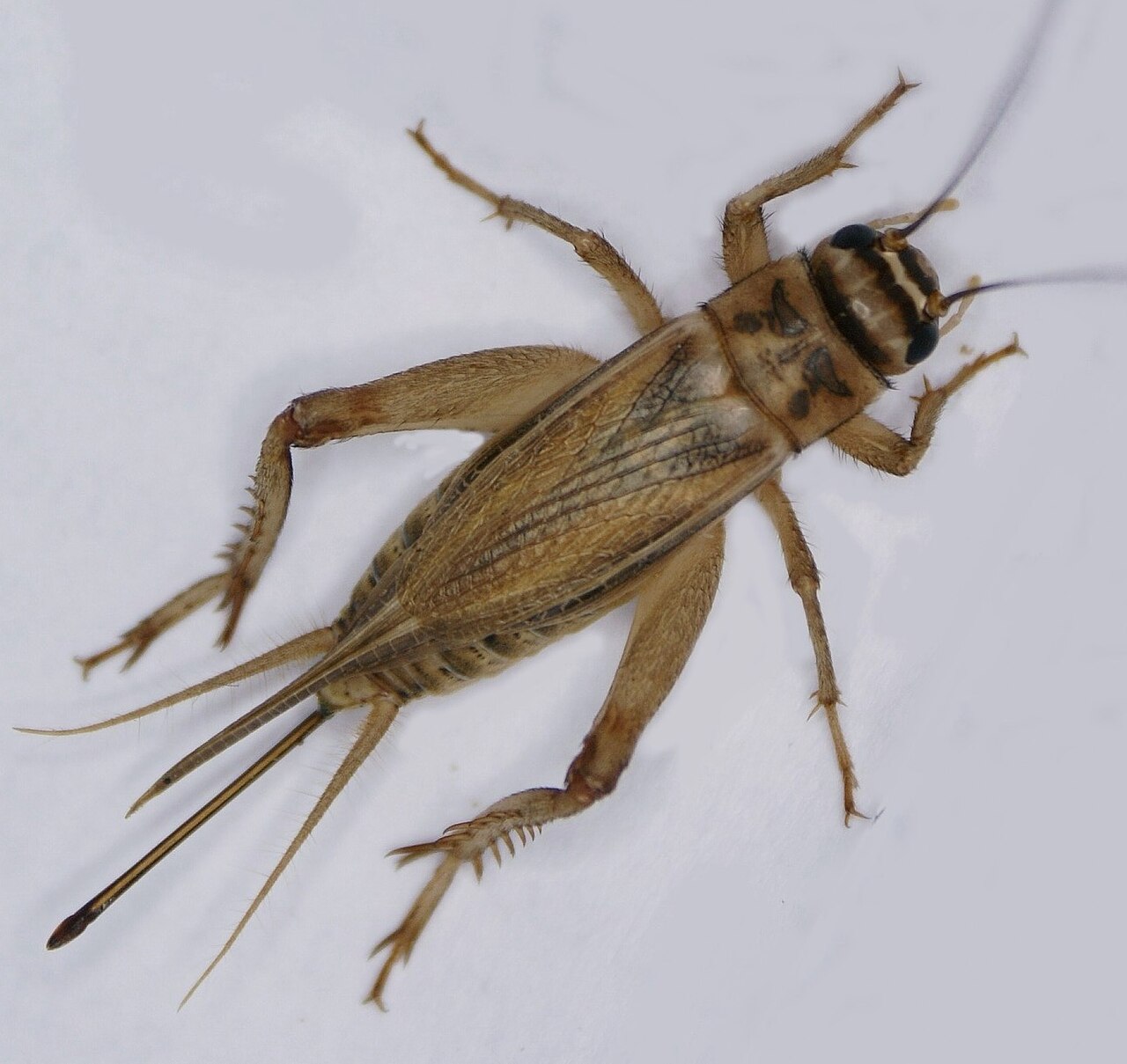
WarningCrickets left in the fridge will die — they need 15-18°C minimum, not fridge temperatures.
⚠️
WarningStale or dead livefood can harbour harmful bacteria. If it smells bad, discard it.
References
- Finke, M.D. (2002). “Complete nutrient composition of commercially raised invertebrates.” Zoo Biology, 21(3), 269–285.
- Oonincx, D.G.A.B. & Dierenfeld, E.S. (2012). “An investigation into the chemical composition of alternative invertebrate prey.” Zoo Biology, 31(1), 40–54.