What You’ll Need
📦
Tall mesh enclosure (60L+)
💡
Heat bulb or ceramic heater
🌡️
Thermostat (28-35°C range)
🪴
Deep sand/vermiculite for eggs
🌿
Fresh grass & dandelion leaves
🪵
Branches for climbing
Step-by-Step Guide
1
undefined
undefined
2
undefined
undefined
3
undefined
undefined
4
undefined
undefined
5
undefined
undefined
6
undefined
undefined
Tips for Success
💡
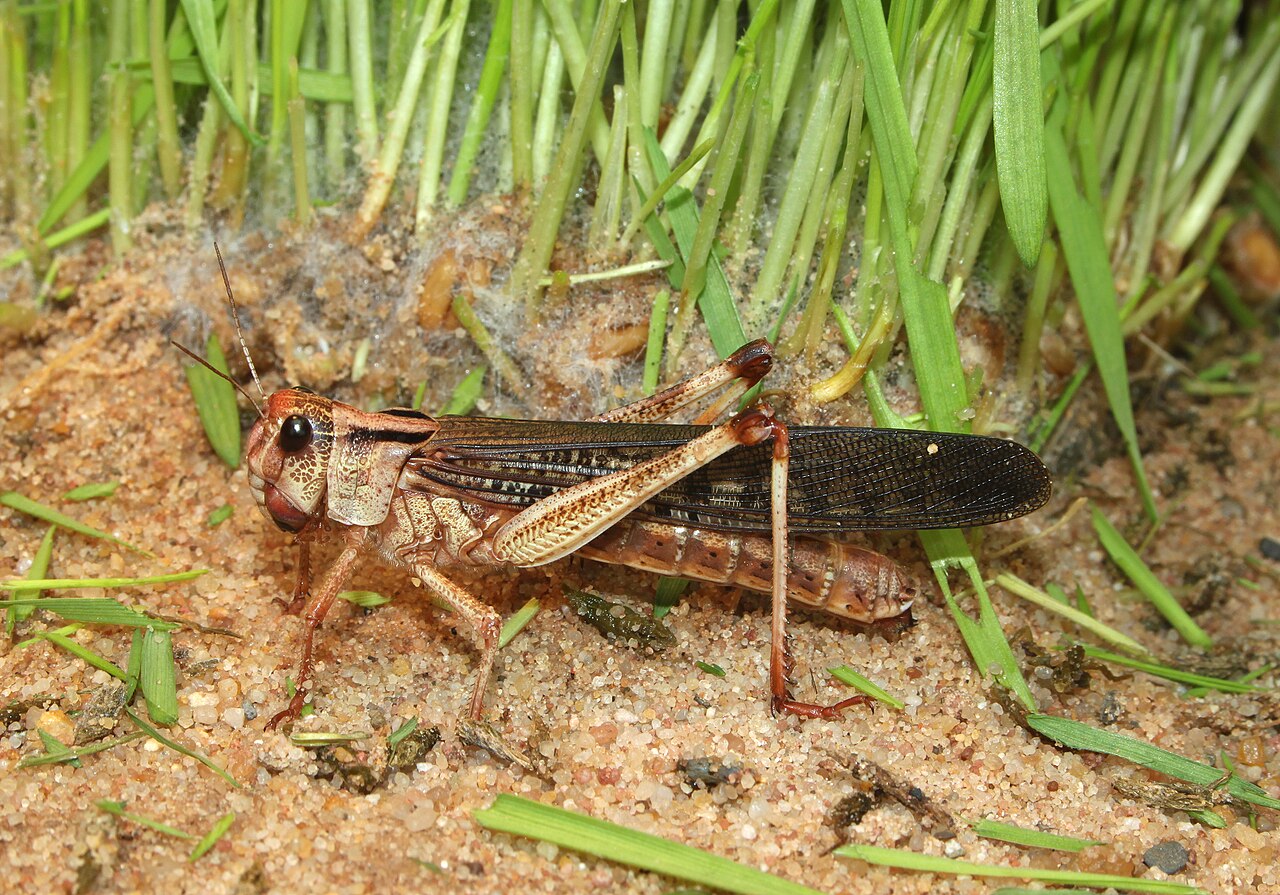
Pro TipLocusts are one of the most enriching feeders for chameleons and monitors — their active movement triggers strong hunting behaviour.
💡
Pro TipFresh grass is the cheapest and best food — grow a small patch specifically for your colony.
💡
Pro TipRemove the large hind legs before feeding to smaller reptiles to reduce choking risk.
Common Problems & Warnings
⚠️
WarningLocusts are illegal to keep in many US states due to agricultural concerns — check your local regulations.
⚠️
WarningThey require significant heat and space — more demanding than roach or mealworm colonies.
⚠️
WarningA locust colony consumes enormous quantities of fresh greens — be prepared for the ongoing cost.
References
- Finke, M.D. (2002). “Complete nutrient composition of commercially raised invertebrates.” Zoo Biology, 21(3), 269–285.
- Oonincx, D.G.A.B. & Dierenfeld, E.S. (2012). “An investigation into the chemical composition of alternative invertebrate prey.” Zoo Biology, 31(1), 40–54.