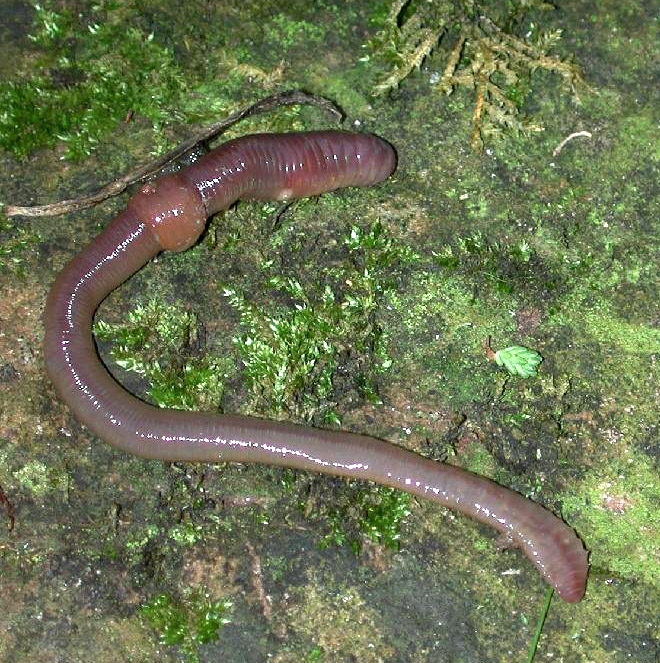
What You’ll Need
📦
Dark plastic bin (40-60L)
📰
Shredded newspaper/cardboard
🪴
Coconut coir bedding
🪱
Starter worms (500-1000)
🥕
Vegetable scraps for food
💦
Spray bottle for moisture
Step-by-Step Guide
1
undefined
undefined
2
undefined
undefined
3
undefined
undefined
4
undefined
undefined
5
undefined
undefined
6
undefined
undefined
Tips for Success
💡
Pro TipWorm compost (castings) is a valuable by-product — excellent fertiliser for plants and gardens.
💡
Pro TipEarthworms are one of the most nutritious feeders available — rivalling silkworms in protein and Ca:P ratio.
💡
Pro TipA healthy worm bin has a pleasant earthy smell. Bad odour = too wet, too much food, or poor ventilation.
Common Problems & Warnings
⚠️
WarningNever use worms from gardens that may have been treated with pesticides, herbicides, or slug pellets.
⚠️
WarningRed wigglers (Eisenia fetida) produce a mild irritant when stressed — some reptiles dislike them. Nightcrawlers are generally better accepted.
⚠️
WarningKeep the bin away from extreme heat — worms die above 30°C.
References
- Finke, M.D. (2002). “Complete nutrient composition of commercially raised invertebrates.” Zoo Biology, 21(3), 269–285.
- Oonincx, D.G.A.B. & Dierenfeld, E.S. (2012). “An investigation into the chemical composition of alternative invertebrate prey.” Zoo Biology, 31(1), 40–54.