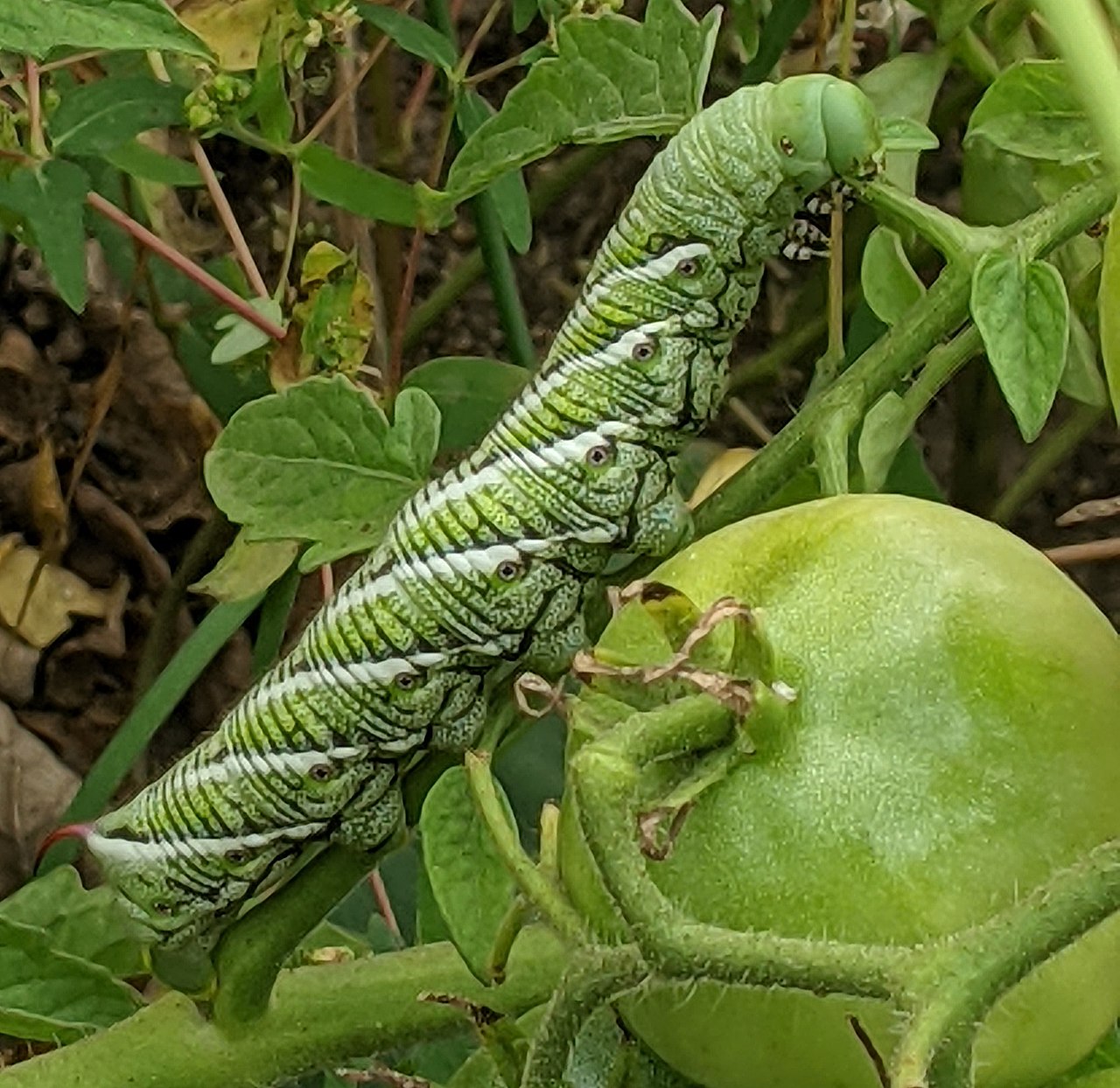
What You’ll Need
🥚
Hornworm eggs or starter larvae
🥫
Prepared hornworm diet (gel)
📦
Ventilated containers
🌡️
Warm spot (24-28°C)
🧻
Paper towel for lining
🪴
Damp soil for pupation (optional)
Step-by-Step Guide
1
undefined
undefined
2
undefined
undefined
3
undefined
undefined
4
undefined
undefined
5
undefined
undefined
6
undefined
undefined
Tips for Success
💡
Pro TipHornworms are the best feeder for rehydrating dehydrated reptiles — 85% moisture content is unmatched.
💡
Pro TipTheir bright colour and vigorous wriggling movement makes them irresistible to even the pickiest eaters.
💡
Pro TipBuy in small batches and stagger orders — they grow too fast to stockpile.
Common Problems & Warnings
⚠️
WarningDo NOT feed wild-caught hornworms from tomato plants — they may have absorbed solanine toxins from the plant.
⚠️
WarningHornworms can bite with their mandibles when very large — supervise feeding to smaller reptiles.
⚠️
WarningThey produce significant frass — clean containers daily to prevent mould.
References
- Finke, M.D. (2002). “Complete nutrient composition of commercially raised invertebrates.” Zoo Biology, 21(3), 269–285.
- Oonincx, D.G.A.B. & Dierenfeld, E.S. (2012). “An investigation into the chemical composition of alternative invertebrate prey.” Zoo Biology, 31(1), 40–54.