Overview
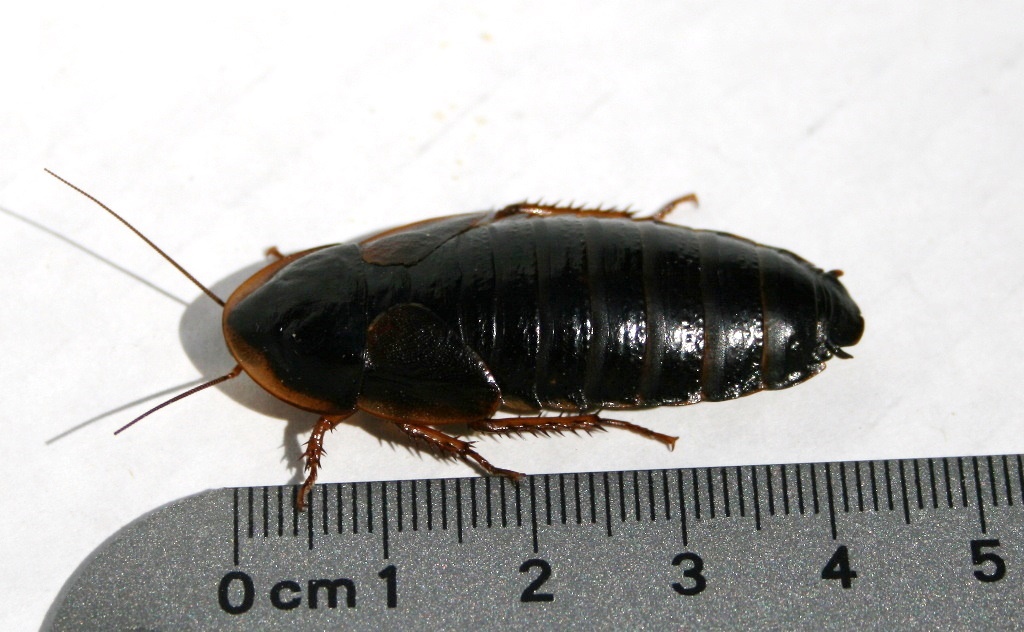
Dubia roaches (Blaptica dubia) have rapidly become one of the most popular feeder insects for reptile keepers. Originally from Central and South America, these tropical roaches are quiet, virtually odourless, and easy to breed — addressing many of the common complaints about crickets.
,
,
,
,
,
Nutritional Profile
,
,
,
,
Key Benefits
They are quiet (unlike crickets), cannot climb smooth surfaces, are slow-moving enough not to stress reptiles, and have a good protein content (54% DM). They are extremely easy to breed and maintain a self-sustaining colony. They do not bite, smell, or escape easily. Available in a wide range of sizes from nymph to adult.
Suitable Species
undefined
undefined
undefined
undefined
undefined
undefined
undefined
undefined
undefined
undefined
Storage & Keeping
Limitations
References
- Finke, M.D. (2002). “Complete nutrient composition of commercially raised invertebrates used as food for insectivores.” Zoo Biology, 21(3), 269–285.
- Oonincx, D.G.A.B. & Dierenfeld, E.S. (2012). “An investigation into the chemical composition of alternative invertebrate prey.” Zoo Biology, 31(1), 40–54.
- Wikipedia contributors. “Blaptica dubia.” Wikipedia, The Free Encyclopedia. Link