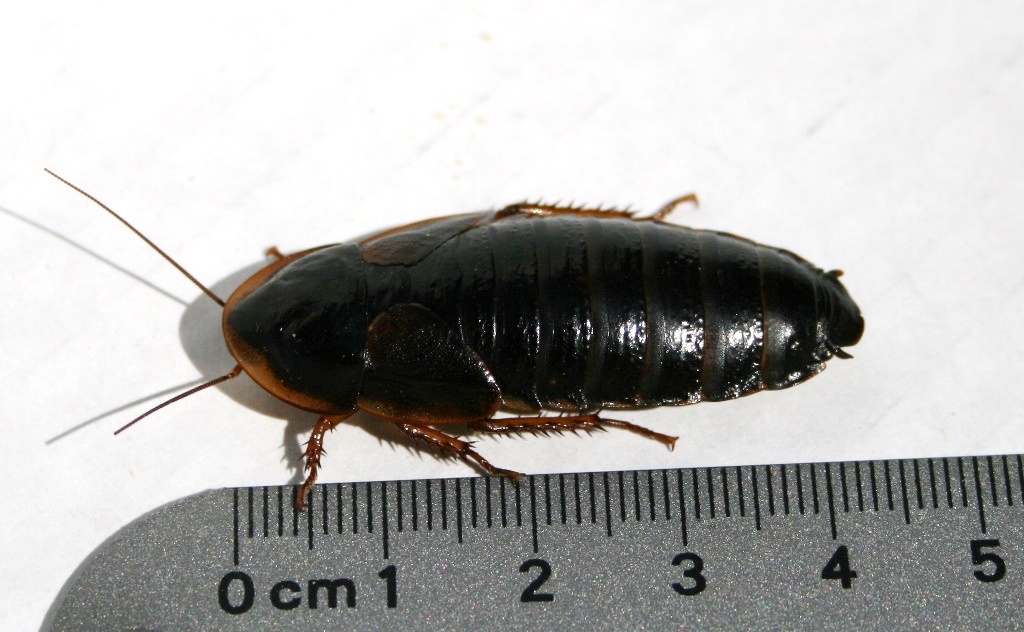
The two broadest categories of feeder insects are worms (silkworms, mealworms, hornworms, etc.) and roaches (Dubia, Turkestan, etc.). Each type has distinct advantages. Here’s how they compare across key factors.
Rankings
| Rank | Feeder | Score | Notes | |
|---|---|---|---|---|
| undefined | undefined | undefined/undefined | ||
| undefined | undefined | undefined/undefined | ||
| undefined | undefined | undefined/undefined | ||
| undefined | undefined | undefined/undefined | ||
| undefined | undefined | undefined/undefined | ||
| undefined | undefined | undefined/undefined | ||
| undefined | undefined | undefined/undefined | ||
| undefined | undefined | undefined/undefined | ||
| undefined | undefined | undefined/undefined |
Verdict
🎯
Our VerdictWorms are nutritionally superior (especially silkworms, BSFL, and earthworms), while roaches win on practicality (breeding ease, cost, shelf life). The ideal approach combines both: roaches as the convenient daily staple and worms as the nutritional powerhouse.
References
- Finke, M.D. (2002). “Complete nutrient composition of commercially raised invertebrates.” Zoo Biology, 21(3), 269–285.
- Oonincx, D.G.A.B. & Dierenfeld, E.S. (2012). “An investigation into the chemical composition of alternative invertebrate prey.” Zoo Biology, 31(1), 40–54.