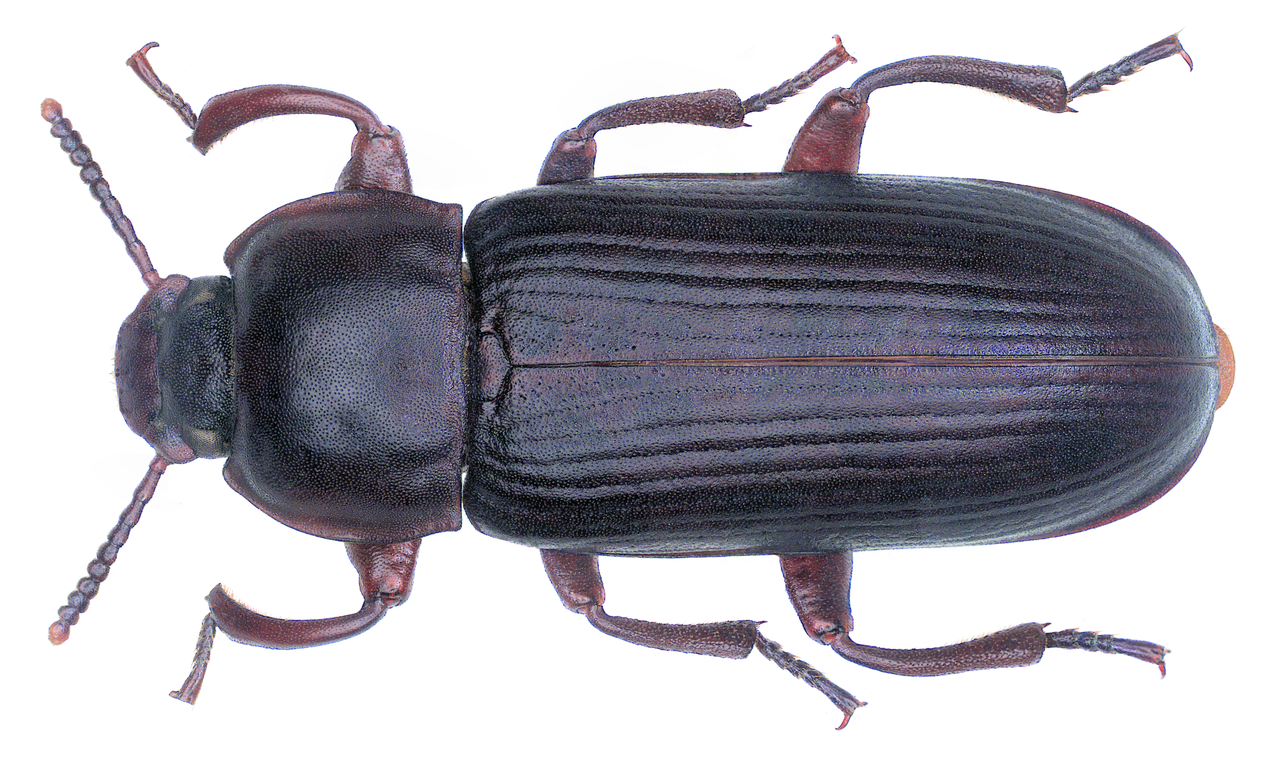
What You’ll Need
📦
3 stacking plastic tubs
🌾
Wheat bran or oats (substrate)
🥕
Carrot/potato slices (moisture)
🪟
Sieves (various mesh sizes)
🌑
Dark location (room temp)
🦴
Calcium dust for gut-loading
Step-by-Step Guide
1
undefined
undefined
2
undefined
undefined
3
undefined
undefined
4
undefined
undefined
5
undefined
undefined
6
undefined
undefined
Tips for Success
💡
Pro TipKeep at room temperature (20-25°C) for normal growth, or refrigerate larvae at 5-10°C to pause development and extend shelf life.
💡
Pro TipMealworm farming is very low-maintenance — check every few days, top up bran and moisture as needed.
💡
Pro TipSift substrate through different mesh sizes to separate larvae by size.
Common Problems & Warnings
⚠️
WarningMealworms have poor nutritional value (high fat, low calcium, high chitin) — always supplement with calcium dust.
⚠️
WarningBeetle frass can cause allergic reactions in some people — wear a dust mask when sifting.
⚠️
WarningNever use mealworms as a staple diet. They are a treat feeder only.
References
- Finke, M.D. (2002). “Complete nutrient composition of commercially raised invertebrates.” Zoo Biology, 21(3), 269–285.
- Oonincx, D.G.A.B. & Dierenfeld, E.S. (2012). “An investigation into the chemical composition of alternative invertebrate prey.” Zoo Biology, 31(1), 40–54.