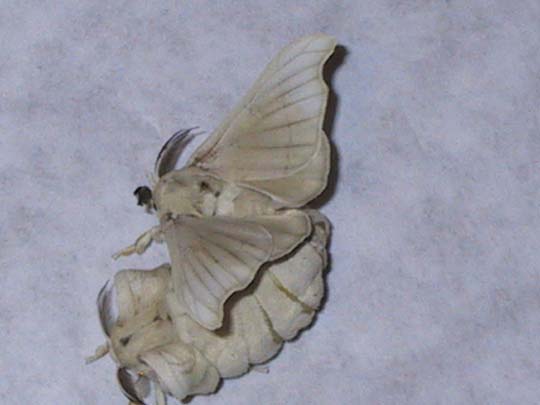
What You’ll Need
🥚
Silkworm eggs or starter culture
🍃
Mulberry leaves or silkworm chow
📦
Shallow plastic containers
🌡️
Heat mat + thermostat (24-28°C)
💦
Spray bottle for humidity
🖌️
Soft brush for handling
Step-by-Step Guide
1
undefined
undefined
2
undefined
undefined
3
undefined
undefined
4
undefined
undefined
5
undefined
undefined
6
undefined
undefined
Tips for Success
💡
Pro TipSilkworm chow recipe: mix powder with boiling water 1:2 ratio, let cool and set into a firm jelly, then slice thin.
💡
Pro TipKeep multiple batches at staggered ages for a continuous supply of feeding-sized larvae.
💡
Pro TipSilkworms reared on chow are slightly less nutritious than those fed fresh mulberry — use fresh leaves when available.
Common Problems & Warnings
⚠️
WarningBlack or brown larvae indicate bacterial infection — isolate immediately and sanitise the container.
⚠️
WarningNever use leaves from trees that may have been sprayed with pesticides.
⚠️
WarningToo much humidity causes mould; too little causes dehydration. Aim for 60-70%.
References
- Finke, M.D. (2002). “Complete nutrient composition of commercially raised invertebrates.” Zoo Biology, 21(3), 269–285.
- Oonincx, D.G.A.B. & Dierenfeld, E.S. (2012). “An investigation into the chemical composition of alternative invertebrate prey.” Zoo Biology, 31(1), 40–54.