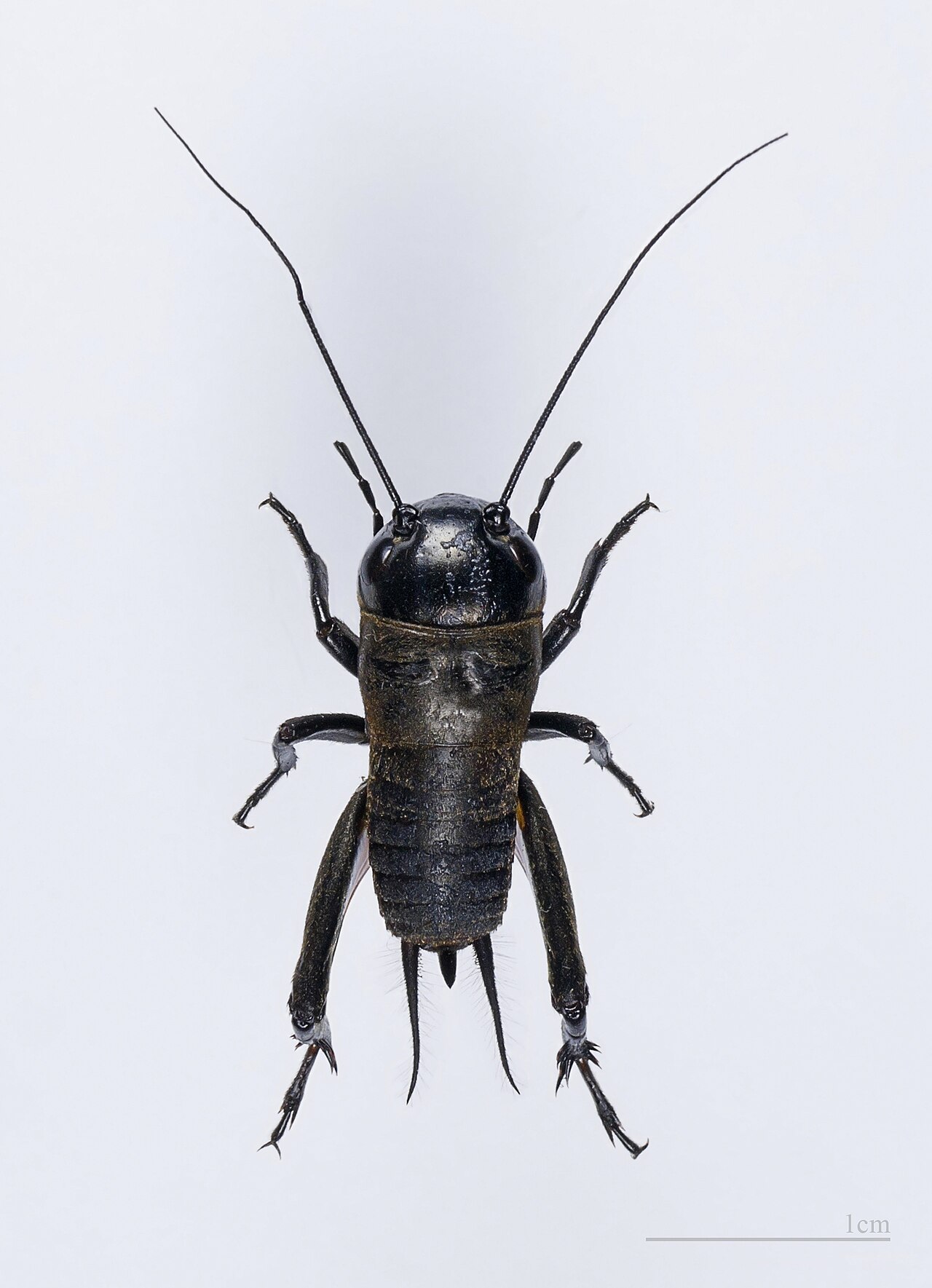
Can You Be Allergic to Feeder Insects?
Yes — and it is more common than most keepers realise. Feeder insect allergies affect the keeper, not the reptile. The most common culprits are crickets, mealworms, and their frass (waste). Allergic reactions range from mild skin irritation to respiratory problems and, in rare cases, anaphylaxis.
🚨
ImportantIf you experience persistent coughing, wheezing, itchy eyes, skin rashes, or breathing difficulties when handling feeder insects or cleaning colonies, you may have developed a feeder insect allergy. Consult your doctor.
Risk Factors
💨
Frass Dust
#1 trigger — airborne particles
,
🦗
Crickets
Most allergenic feeder
,
⏳
Time
Allergies develop over months/years
,
🏠
Enclosed Spaces
Indoor colonies increase exposure
Common Allergens by Feeder Type
Allergy Risk by Feeder Type
Crickets
Very High
Poor
,
Mealworm beetles
High
Poor
,
Mealworm frass
High
Poor
,
Locust frass
Moderate
Moderate
,
Dubia Roaches
Low-Moderate
Moderate
,
Silkworms
Very Low
Excellent
,
BSFL
Very Low
Excellent
,
Earthworms
Negligible
Excellent
Prevention & Management
1
Wear a Dust Mask
Always wear a mask when cleaning cricket/mealworm colonies, sifting substrate, or handling large quantities of frass. N95 or FFP2 masks are ideal.
2
Improve Ventilation
Keep colonies in a well-ventilated area. Use an extractor fan or open window when cleaning. A dedicated livefood room with good airflow dramatically reduces exposure.
3
Switch Feeder Species
If crickets cause reactions, switch to Dubia roaches (much less allergenic), silkworms, or BSFL. These produce far less airborne allergen.
4
Wash Hands Thoroughly
Always wash hands after handling feeders or cleaning colonies. Avoid touching your face during handling. Use disposable gloves if reactions are severe.
5
See a Doctor
If symptoms persist or worsen, see an allergist. Feeder insect allergy can be confirmed with skin prick tests. Immunotherapy may be an option for severe cases.
💡
Best Low-Allergy FeedersSilkworms, BSFL, and earthworms are the least allergenic feeder insects. If you develop a feeder insect allergy, switching to these species often eliminates symptoms entirely.
References
- Finke, M.D. (2002). “Complete nutrient composition of commercially raised invertebrates.” Zoo Biology, 21(3), 269-285.