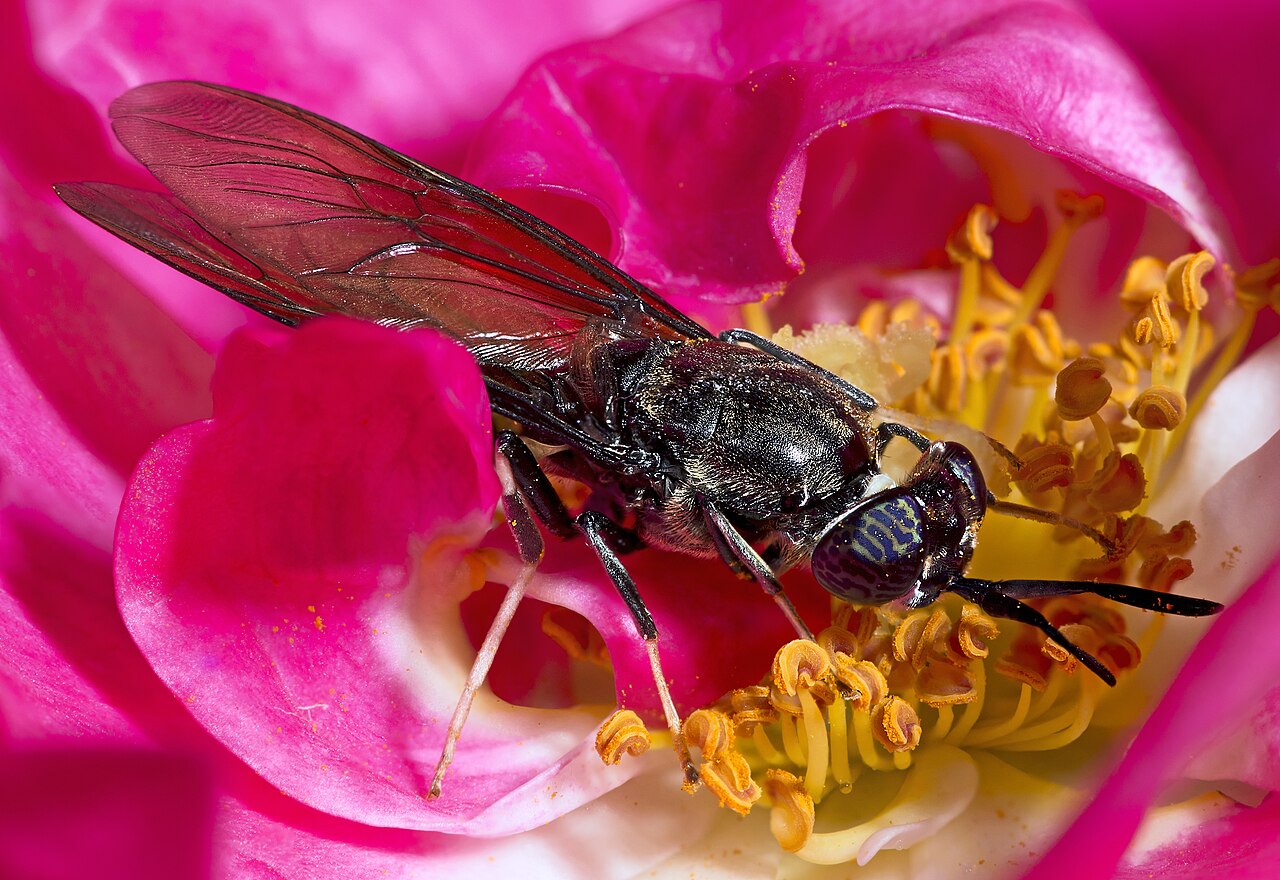
Calcium deficiency (metabolic bone disease) is the most common nutritional disorder in captive reptiles. Choosing high-calcium feeders is one of the most impactful decisions a keeper can make. Here’s how they compare.
Rankings
| Rank | Feeder | Score | Notes | |
|---|---|---|---|---|
| undefined | undefined | undefined/undefined | ||
| undefined | undefined | undefined/undefined | ||
| undefined | undefined | undefined/undefined | ||
| undefined | undefined | undefined/undefined | ||
| undefined | undefined | undefined/undefined | ||
| undefined | undefined | undefined/undefined | ||
| undefined | undefined | undefined/undefined | ||
| undefined | undefined | undefined/undefined | ||
| undefined | undefined | undefined/undefined | ||
| undefined | undefined | undefined/undefined |
Verdict
🎯
Our VerdictBSFL are the undisputed calcium champion with 934mg/100g. Silkworms and earthworms offer the best natural Ca:P balance without needing supplementation. For MBD prevention, these three feeders should form the core of any insectivore’s diet.
References
- Finke, M.D. (2002). “Complete nutrient composition of commercially raised invertebrates.” Zoo Biology, 21(3), 269–285.
- Oonincx, D.G.A.B. & Dierenfeld, E.S. (2012). “An investigation into the chemical composition of alternative invertebrate prey.” Zoo Biology, 31(1), 40–54.