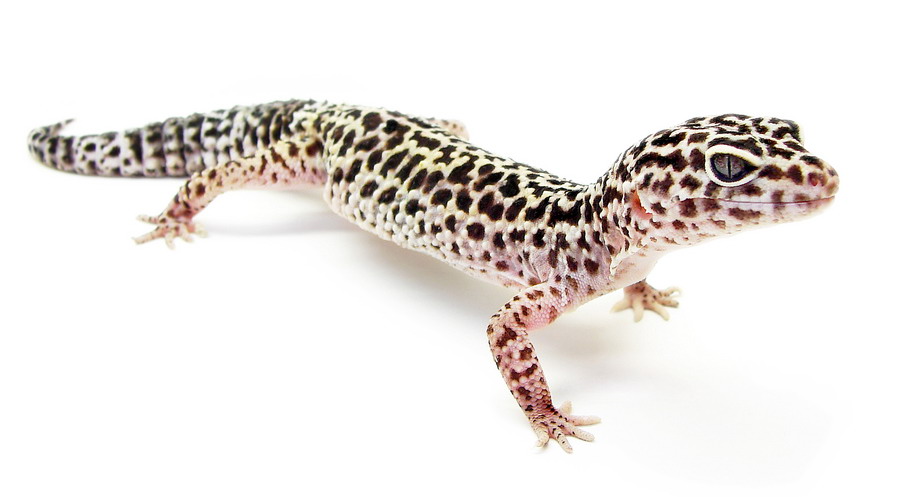
Leopard geckos are strict insectivores with specific nutritional needs. Their relatively small size and terrestrial hunting style means not all feeders are suitable. Here’s the definitive ranking.
Rankings
| Rank | Feeder | Score | Notes | |
|---|---|---|---|---|
| undefined | undefined | undefined/undefined | ||
| undefined | undefined | undefined/undefined | ||
| undefined | undefined | undefined/undefined | ||
| undefined | undefined | undefined/undefined | ||
| undefined | undefined | undefined/undefined | ||
| undefined | undefined | undefined/undefined | ||
| undefined | undefined | undefined/undefined | ||
| undefined | undefined | undefined/undefined | ||
| undefined | undefined | undefined/undefined | ||
| undefined | undefined | undefined/undefined |
Verdict
🎯
Our VerdictSilkworms and BSFL are the gold standard for leopard geckos. Supplement with small Dubias and crickets for variety. Avoid over-reliance on mealworms — despite their popularity, they are nutritionally poor. Waxworms are junk food.
References
- Finke, M.D. (2002). “Complete nutrient composition of commercially raised invertebrates.” Zoo Biology, 21(3), 269–285.
- Oonincx, D.G.A.B. & Dierenfeld, E.S. (2012). “An investigation into the chemical composition of alternative invertebrate prey.” Zoo Biology, 31(1), 40–54.