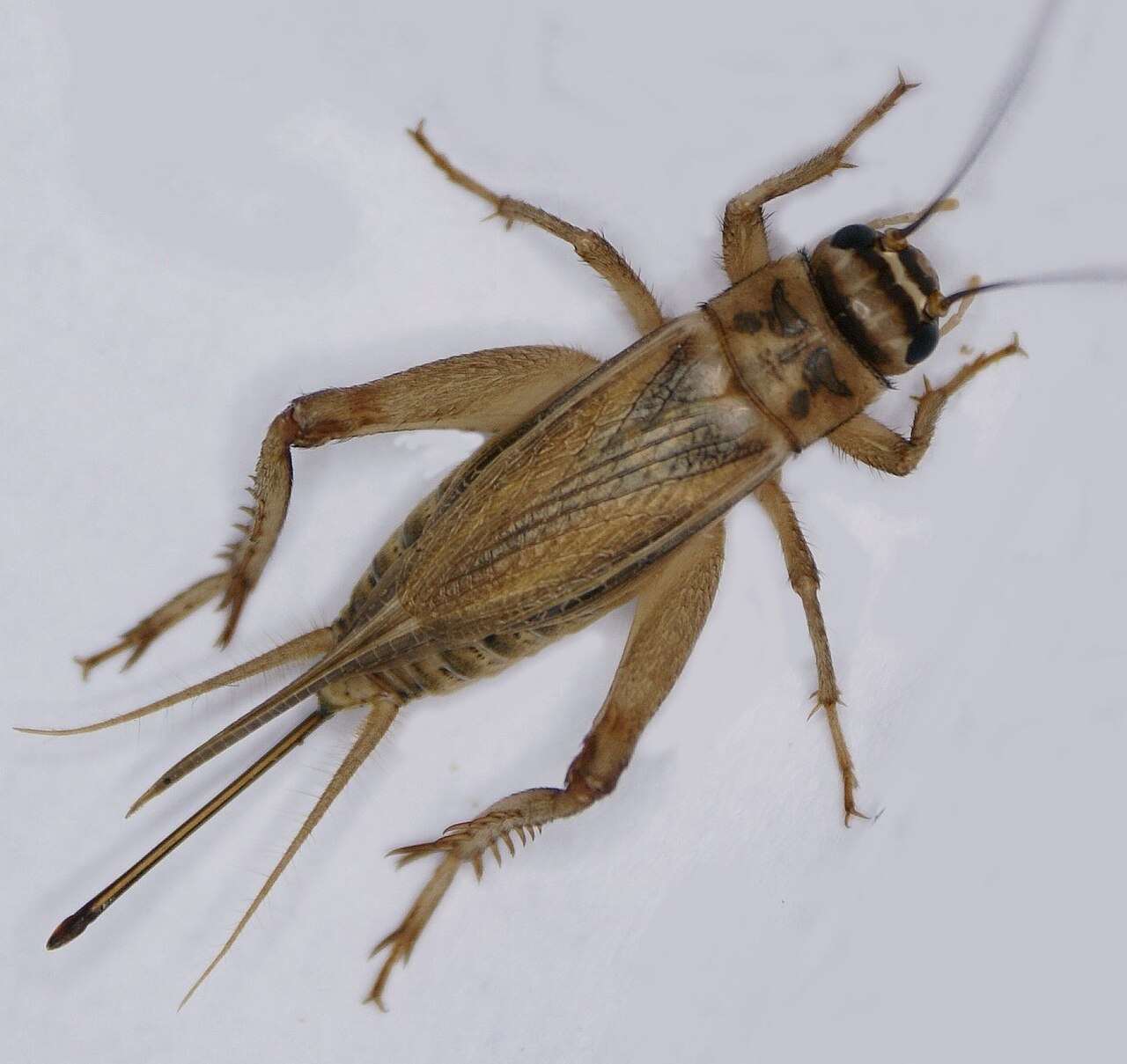
What You’ll Need
📦
Large plastic tub (60-80L)
🪟
Mesh or ventilated lid
🥚
Egg cartons for hiding
🌡️
Heat mat (28-32°C)
🪴
Damp vermiculite for egg laying
💧
Water gel crystals
Step-by-Step Guide
1
undefined
undefined
2
undefined
undefined
3
undefined
undefined
4
undefined
undefined
5
undefined
undefined
6
undefined
undefined
Tips for Success
💡
Pro TipCrickets need water but drown easily — use water gel crystals, not open water dishes.
💡
Pro TipA single breeding tub can produce hundreds of crickets per week once established.
💡
Pro TipGut-load crickets with calcium-rich greens (kale, collards) for 24-48 hours before feeding to your reptiles.
Common Problems & Warnings
⚠️
WarningCrickets are noisy — males chirp constantly. Keep the colony in a room where noise won’t bother you.
⚠️
WarningDead crickets decompose quickly and breed harmful bacteria — remove them daily.
⚠️
WarningCricket colonies smell. Good ventilation and regular cleaning are essential.
References
- Finke, M.D. (2002). “Complete nutrient composition of commercially raised invertebrates.” Zoo Biology, 21(3), 269–285.
- Oonincx, D.G.A.B. & Dierenfeld, E.S. (2012). “An investigation into the chemical composition of alternative invertebrate prey.” Zoo Biology, 31(1), 40–54.