Overview
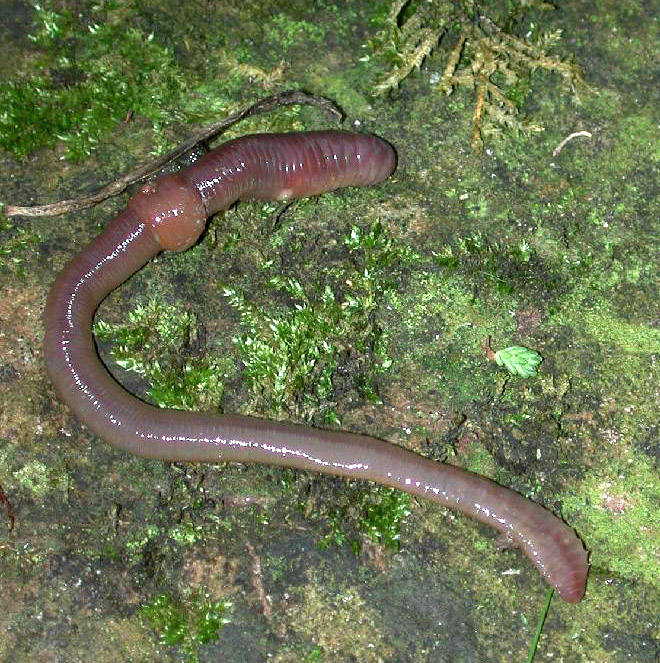
Earthworms (Lumbricus terrestris) are among the most nutritionally complete feeders available, rivalling silkworms in their overall nutritional profile. They are a natural prey item for many amphibians, box turtles, and semi-aquatic species.
,
,
,
,
,
Nutritional Profile
,
,
,
,
Key Benefits
Exceptional nutritional profile: 62.2% protein (DM), only 11% fat, excellent calcium (44 mg), and a near-perfect Ca:P ratio (1:1.3). Completely soft-bodied with zero chitin. High moisture (78-84%) for hydration. A natural prey item — many species instinctively recognise and eagerly consume earthworms. Free to collect from your own garden if no pesticides are used.
Suitable Species
undefined
undefined
undefined
undefined
undefined
undefined
undefined
undefined
undefined
undefined
Storage & Keeping
Limitations
References
- Finke, M.D. (2002). “Complete nutrient composition of commercially raised invertebrates used as food for insectivores.” Zoo Biology, 21(3), 269–285.
- Oonincx, D.G.A.B. & Dierenfeld, E.S. (2012). “An investigation into the chemical composition of alternative invertebrate prey.” Zoo Biology, 31(1), 40–54.
- Wikipedia contributors. “Lumbricus terrestris.” Wikipedia, The Free Encyclopedia. Link