Overview
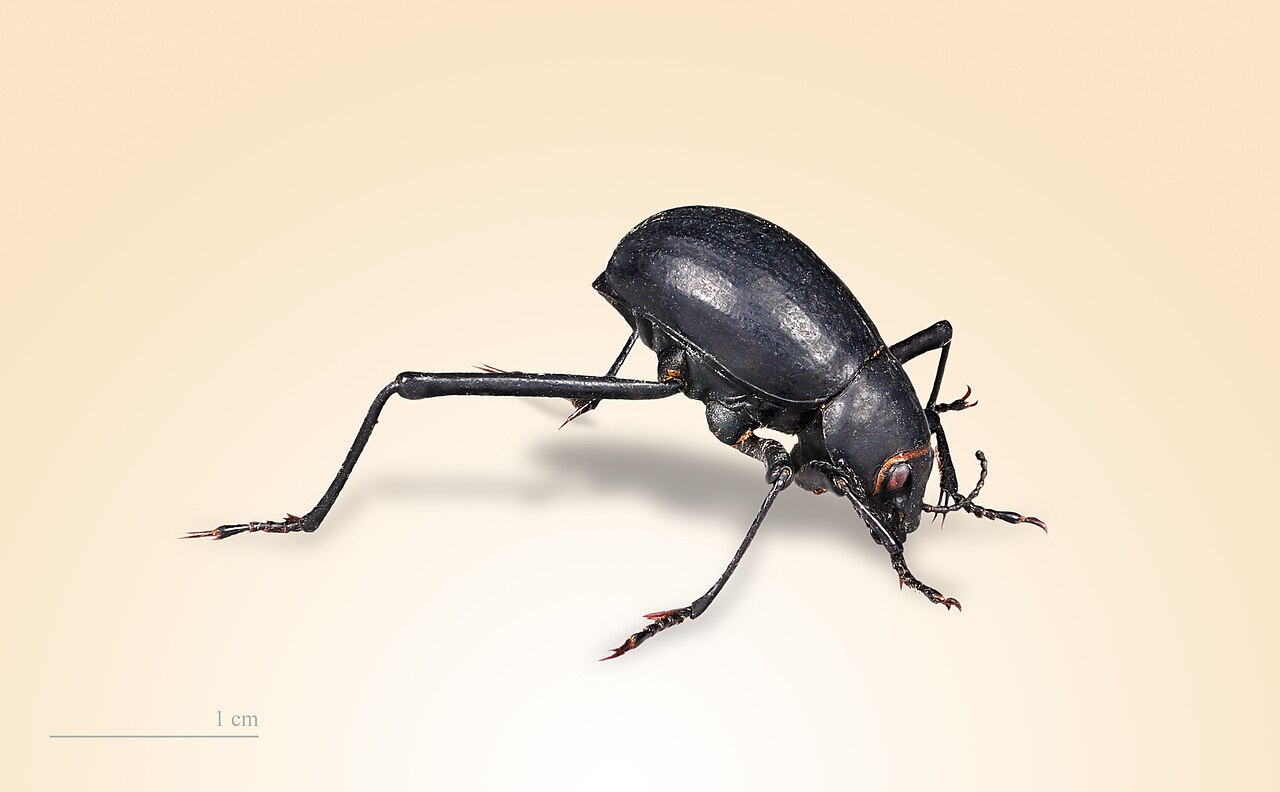
Superworms (Zophobas morio) are the larvae of a tropical darkling beetle. Larger than mealworms (up to 5-6 cm), they are a popular feeder for medium to large reptiles but share many of the same nutritional limitations.
,
,
,
,
,
Nutritional Profile
,
,
,
,
Key Benefits
Their large size makes them suitable for bigger reptiles and reduces the number needed per feeding. They are active movers, triggering feeding responses. More moisture than mealworms. They cannot be refrigerated (they die below 15°C), but this means they stay active and visible to predators. Relatively cheap and widely available.
Suitable Species
undefined
undefined
undefined
undefined
undefined
undefined
undefined
undefined
undefined
undefined
Storage & Keeping
Limitations
References
- Finke, M.D. (2002). “Complete nutrient composition of commercially raised invertebrates used as food for insectivores.” Zoo Biology, 21(3), 269–285.
- Oonincx, D.G.A.B. & Dierenfeld, E.S. (2012). “An investigation into the chemical composition of alternative invertebrate prey.” Zoo Biology, 31(1), 40–54.
- Wikipedia contributors. “Zophobas morio.” Wikipedia, The Free Encyclopedia. Link