Overview
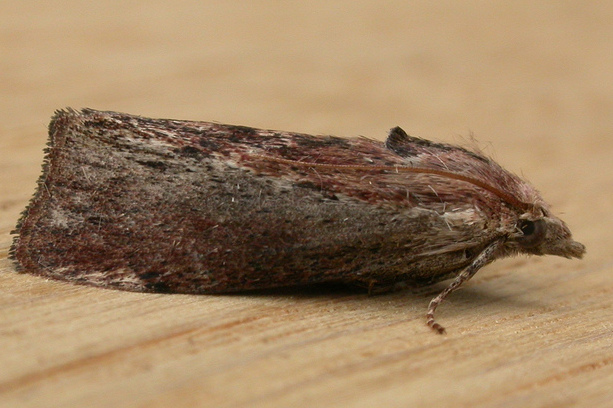
Waxworms (Galleria mellonella) are the larvae of the greater wax moth. Soft, pale, and incredibly palatable, they are the “junk food” of the feeder insect world — loved by virtually every reptile but nutritionally poor.
💪
33.1%
Protein (DM)
,
🧈
46.4%
Fat (DM)
,
🦴
13mg
Calcium/100g
,
⚖️
1:12.4
Ca:P Ratio
,
💧
58-62%
Moisture
,
🐛
Low
Chitin
Nutritional Profile
Nutritional Breakdown — Waxworms (Galleria mellonella)
Protein
33.1% DM
Poor
,
Fat
46.4% DM
Poor
,
Calcium
13mg/100g
Poor
,
Ca:P Ratio
1:12.4
Poor
,
Digestibility
Low chitin
Good
Overall Feeder Rating
3/10
Specialist Feeder — Limited Use
Key Benefits
Their primary value is palatability. Almost every insectivore finds them irresistible, making them useful for encouraging picky or sick animals to eat. Soft-bodied with low chitin. Useful as an occasional treat, a recovery food, or to stimulate appetite in newly acquired or stressed animals.
Suitable Species
ℹ️
Suitability Guide
🟢 = Highly recommended 🔵 = Good choice 🟡 = Occasional use 🔴 = Not recommended
undefined
undefined
undefined
undefined
undefined
undefined
undefined
undefined
undefined
undefined
Storage & Keeping
💡
Storage TipsRefrigerate at 12-15°C to keep them dormant. They will keep for 2-4 weeks refrigerated. Do not freeze. At room temperature they quickly pupate and become moths.
Limitations
⚠️
Things to ConsiderExtremely high fat (46.4% DM), very low protein (33.1% DM), poor calcium (13 mg), and a terrible calcium-to-phosphorus ratio (1:12.4). Regular feeding causes obesity, fatty liver disease, and nutritional imbalance. Many reptiles become “addicted” and refuse other, healthier feeders. Should be strictly limited to an occasional treat.
References
- Finke, M.D. (2002). “Complete nutrient composition of commercially raised invertebrates used as food for insectivores.” Zoo Biology, 21(3), 269–285.
- Oonincx, D.G.A.B. & Dierenfeld, E.S. (2012). “An investigation into the chemical composition of alternative invertebrate prey.” Zoo Biology, 31(1), 40–54.
- Wikipedia contributors. “Galleria mellonella.” Wikipedia, The Free Encyclopedia. Link