Overview
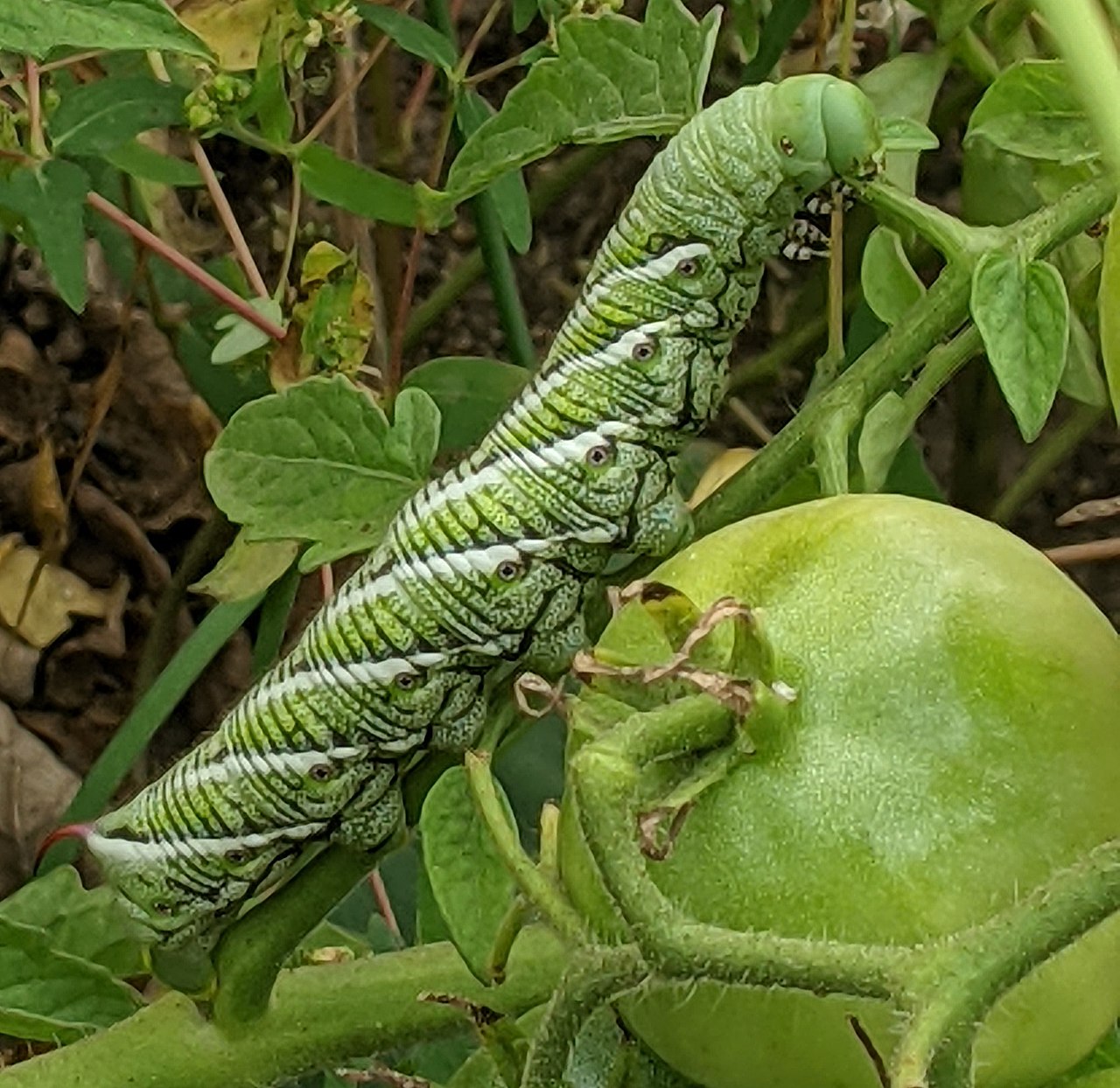
Hornworms (Manduca sexta) are the larvae of the tobacco hawk moth. These bright blue-green caterpillars are prized for their exceptional moisture content and soft, easily digestible bodies.
,
,
,
,
,
Nutritional Profile
,
,
,
,
Key Benefits
Their standout feature is moisture content — at 85%, they are the most hydrating feeder insect available. Completely soft-bodied with negligible chitin, making them ideal for dehydrated animals, picky eaters, and sick or recovering reptiles. Good protein (46.4% DM), low fat (12.8% DM), and decent calcium levels. Their bright colour and wriggling movement attract even the most stubborn feeders.
Suitable Species
undefined
undefined
undefined
undefined
undefined
undefined
undefined
undefined
undefined
undefined
Storage & Keeping
Limitations
References
- Finke, M.D. (2002). “Complete nutrient composition of commercially raised invertebrates used as food for insectivores.” Zoo Biology, 21(3), 269–285.
- Oonincx, D.G.A.B. & Dierenfeld, E.S. (2012). “An investigation into the chemical composition of alternative invertebrate prey.” Zoo Biology, 31(1), 40–54.
- Wikipedia contributors. “Manduca sexta.” Wikipedia, The Free Encyclopedia. Link