When Your Reptile Is Unwell
Sick or recovering reptiles have different nutritional needs than healthy ones. They need easily digestible, nutrient-dense foods that maximise nutrition per bite while minimising digestive effort. The wrong feeder choice during illness can worsen the situation.
🚨
Veterinary FirstIf your reptile is unwell, see a reptile-specialist veterinarian before changing the diet. The information below supports recovery alongside veterinary treatment — it does not replace professional care.
The Recovery Feeding Hierarchy
Best Feeders for Sick/Recovering Reptiles
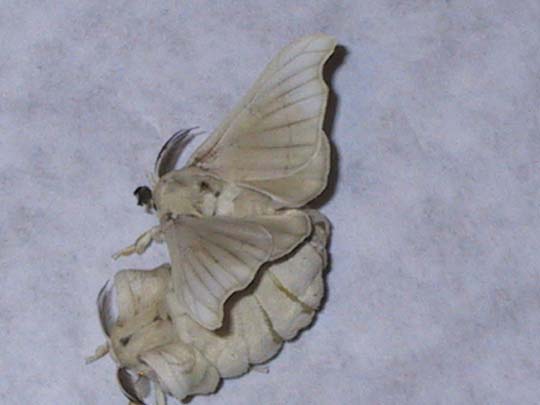
Silkworms
#1 Recovery Feeder
Excellent
,
Hornworms
Best for hydration
Excellent
,
BSFL
Calcium recovery
Excellent
,
Earthworms
For amphibians/turtles
Excellent
,
Waxworms
Appetite stimulant only
Moderate
,
Crickets
Only if nothing else taken
Moderate
,
Mealworms
Avoid during illness
Poor
,
Superworms
Never during illness
Poor
Why Silkworms Are #1 for Recovery
💪
63.8%
Protein for tissue repair
,
🧈
10.6%
Low fat — easy on the liver
,
🐛
Zero
No chitin — zero digestive stress
,
💧
76-82%
High moisture for hydration
Silkworms are the ideal recovery food because they combine maximum nutrition with minimum digestive effort. Their soft, chitin-free bodies are effortlessly digested even by weakened animals. The serrapeptase enzyme they contain actually aids the reptile’s own digestive process. High protein supports tissue repair while low fat avoids stressing an already compromised liver.
When to Use Waxworms
⚠️
Appetite Stimulant OnlyWaxworms are so palatable that even very sick reptiles will often accept them when refusing everything else. Use 1-2 waxworms to stimulate appetite, then immediately switch to silkworms or hornworms for actual nutrition. Never feed more than 2-3 waxworms — they are junk food.
Recovery Feeding Protocol
1
Days 1-3: Appetite Assessment
Offer small, soft-bodied feeders (silkworms or hornworms). Feed only 1-2 items and observe. If refused, try a single waxworm as appetite stimulant. Do not force-feed without veterinary guidance.
2
Days 4-7: Gradual Increase
If appetite is returning, slowly increase portions. Focus on silkworms and BSFL for maximum nutrition per bite. Dust lightly with calcium at every feed — recovering reptiles often have depleted calcium stores.
3
Week 2+: Rebuilding Nutrition
Increase variety as strength returns. Add BSFL for calcium, hornworms for hydration. Begin reintroducing normal feeders (crickets, roaches) once the reptile is eating confidently.
4
Full Recovery
Return to normal feeding schedule and rotation once the reptile has regained weight and energy. Continue offering silkworms as a regular part of the diet to maintain optimal nutrition.
💡
Hydration Is CriticalSick reptiles are often dehydrated. Hornworms (85% moisture) and silkworms (76-82% moisture) are the best feeders for rehydration. Offer alongside shallow water baths and misting.
References
- Finke, M.D. (2002). “Complete nutrient composition of commercially raised invertebrates.” Zoo Biology, 21(3), 269-285.