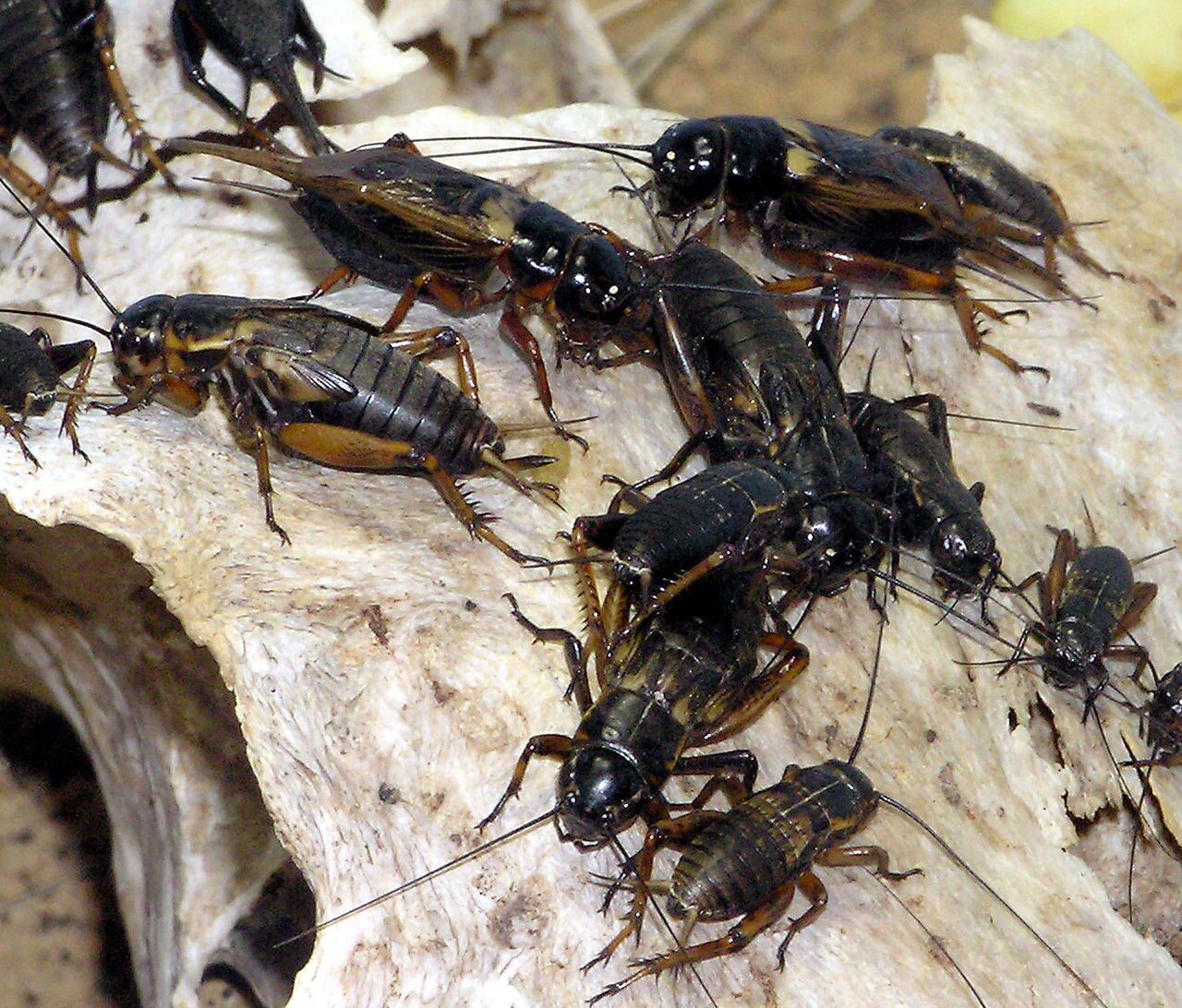
The Appeal of Wild-Caught Insects
Free, varied, natural — wild-caught insects seem like an obvious choice for feeding reptiles. Grasshoppers from the garden, moths attracted to porch lights, and beetles found under logs are all potential food items. But is it safe?
⚠️
The Short AnswerWild-caught insects carry significant risks including pesticide exposure, parasites, and toxic species. They should only be used with extreme caution and never as a primary food source.
The Risks
☠️
Pesticides
Lethal even in trace amounts
,
🦠
Parasites
Nematodes, protozoa, flukes
,
💀
Toxic Species
Fireflies are deadly
,
🪰
Unknown Diet
May contain harmful compounds
Species to NEVER Feed
🚨
Deadly: Fireflies (Lightning Bugs)Fireflies contain lucibufagins — cardiotoxic compounds that are lethal to reptiles even in tiny quantities. A single firefly can kill a bearded dragon. NEVER feed fireflies under any circumstances.
Fireflies / Lightning Bugs — LETHAL
Brightly coloured beetles — often toxic
Caterpillars — may absorb plant toxins
Ants — formic acid, often treated areas
Wasps / Bees — sting risk, pesticides
Monarch butterflies — toxic
Potentially Safe Wild Insects (With Caution)
Grasshoppers — from untreated areas only
Moths — attracted to lights, varied safety
Earthworms — from pesticide-free gardens
Woodlice/Isopods — generally safe
Safety Rules If You Choose to Wild-Catch
1
Know Your Area
Only collect from locations you are certain have NOT been treated with pesticides, herbicides, or fertilisers for at least 2 years. Roadside areas are contaminated with vehicle emissions.
2
Identify Before Feeding
Learn to positively identify safe species. When in doubt, do not feed. A field guide to local insects is invaluable. Many toxic species mimic safe ones.
3
Avoid Urban & Agricultural Areas
Gardens, farms, parks, and roadside verges are almost certainly contaminated. Only collect from genuinely wild, untreated habitats.
4
Use as Enrichment, Not Staple
Treat wild-caught insects as occasional enrichment items, never as a primary food source. Commercially bred feeders are always safer and more reliable.
💡
The Safer AlternativeFor natural variety without the risks, rotate between commercially bred species: silkworms, BSFL, Dubia roaches, crickets, locusts, and hornworms provide all the dietary variety your reptile needs.
References
- Finke, M.D. (2002). “Complete nutrient composition of commercially raised invertebrates.” Zoo Biology, 21(3), 269-285.