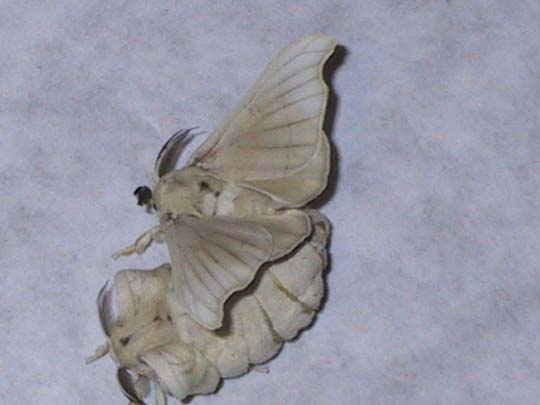
Baby reptiles have higher protein demands, smaller mouths, and developing digestive systems. Choosing the right feeder insects for juveniles is critical — the wrong choice can cause impaction, malnutrition, or stunted growth.
Rankings
| Rank | Feeder | Score | Notes | |
|---|---|---|---|---|
| undefined | undefined | undefined/undefined | ||
| undefined | undefined | undefined/undefined | ||
| undefined | undefined | undefined/undefined | ||
| undefined | undefined | undefined/undefined | ||
| undefined | undefined | undefined/undefined | ||
| undefined | undefined | undefined/undefined | ||
| undefined | undefined | undefined/undefined | ||
| undefined | undefined | undefined/undefined | ||
| undefined | undefined | undefined/undefined | ||
| undefined | undefined | undefined/undefined |
Verdict
🎯
Our VerdictBaby reptiles should be fed silkworms, BSFL, and appropriately-sized crickets/roaches as staples. Fruit flies are essential for the smallest species. Avoid mealworms, waxworms, and superworms entirely for juveniles — the impaction and obesity risks are not worth it.
References
- Finke, M.D. (2002). “Complete nutrient composition of commercially raised invertebrates.” Zoo Biology, 21(3), 269–285.
- Oonincx, D.G.A.B. & Dierenfeld, E.S. (2012). “An investigation into the chemical composition of alternative invertebrate prey.” Zoo Biology, 31(1), 40–54.